QUEENS, NYC SPEECH LANGUAGE EVALUATIONS
QUEENS, NYC SPEECH LANGUAGE EVALUATIONS
As Featured In:






Our Speech Language Pathologists Come to Your Queens, NYC Home! | Best In-Person Private Pay Speech Language Evaluation | Free Consultation and Meet & Greets With Our Staff
FOR SPEECH LANGUAGE THERAPY SERVICES OUTSIDE OF QUEENS, NY
We travel to:
QUEENS, NY NEIGHBORHOODS
Long Island City (LIC)
Astoria
Ditmars Steinway
Sunnyside
Woodside Elmhurst
Jackson Heights
Corona
Ridgewood
Forest Hills
Kew Gardens
Flushing
Bayside
Fresh Meadows
Little Neck
Douglaston
Glen Oaks
Floral Park
Bellerose and more!
Our Speech-Language Pathologists and Therapists
We travel to you and we also offer remote services. Some of our speech-language pathologists are trained in the Orton Gillingham approach. Many of our speech-language pathologists are trained in literacy and offer support with decoding, spelling and reading fluency services. Our speech-language pathologists and therapists work with babies, toddlers, school-age students, and adults with expertise in:
Our Speech-Language Pathologists and Therapists
We travel to you and we also offer remote services. Some of our speech-language pathologists are trained in the Orton Gillingham approach. Many of our speech-language pathologists are trained in literacy and offer support with decoding, spelling and reading fluency services. Our speech-language pathologists and therapists work with babies, toddlers, school-age students, and adults with expertise in:
- Pronunciation
- Enunciation
- Articulation
- Expressive Language Disorder
- Writing & Speaking Therapy
- Comprehension- Listening & Reading
- Listening Comprehension
- Auditory Processing
- Vocabulary
- Teens – Language Therapy
- Stuttering
- Feeding
- Oral Motor
- Voice
- AAC
- Adult Speech Therapy
- Public Speaking
- Accent Reduction Modification Speech Therapy
Training/Certifications

Training/Certifications




Consultations, Assessments, & Evaluations:
Please note that we adhere to HIPPA (health information privacy) standards, and all confidential information can not be shared with anyone without your written consent. We also store all electronic confidential information on our HIPPA compliant encrypted email server. Our speech, language, and feeding evaluations are out-of-network and we can provide you with a superbill to submit to your insurance company.
Our Speech-Language Therapists/Pathologists are licensed in the following states:
- New Jersey (NJ)
- California (CA)
- Michigan (MI)
- Missouri (MO)
- Washington (WA)
- Pennsylvania (PA)
- Idaho (ID)
- Maine (ME)
- (KY)
- Oregon (OR)
- Maryland (MD)
- Washington, DC
- Connecticut (CT)
Consultations, Assessments, & Evaluations:
Our Speech-Language Therapists/Pathologists are licensed in the following states:
- New Jersey (NJ)
- California (CA)
- Michigan (MI)
- Missouri (MO)
- Washington (WA)
- Pennsylvania (PA)
- Idaho (ID)
- Maine (ME)
- (KY)
- Oregon (OR)
- Maryland (MD)
- Washington, DC
- Connecticut (CT)
Speech-Language Pathology
States require that you work with a licensed speech-language therapist/pathologist skilled in areas such as enunciation, expressive (oral) language, receptive (auditory) comprehension, social pragmatic skills, feeding, fluency (stuttering), and other areas related to communication. In order to start therapeutic services by our speech-language therapists/pathologists, we need up-to-date written justification from State licensed therapists or medical doctors. This documentation typically includes ICD-10 code(s). We will also need current goals. These goals can come from recent reports, such as IEPs, or from current professionals working with your child. If you need up-to-date goals, we can help! If you need an ICD-10 code, we offer a variety of speech-language evaluations.
At Brooklyn Letters, we offer a variety of evaluations for all ages including:
- Speech Disorders– These can occur when an individual has difficulty producing speech sounds and putting them together to form intelligible words. Speech disorders include articulation or phonological disorders, apraxia of speech, and dysarthria.
- Literacy Assessments/Tutoring- We offer literacy testing by licensed language therapists and literacy specialists. We also provide online literacy assessments. Please note that most neuropsychological evaluations do not include decoding and encoding (spelling goals); they mention the need for decoding and spelling intervention. If literacy goals are not included in the neuropsychological evaluation, our first session(s) will produce these goals. Also, many public and private schools use commercialized products for teaching literacy. Many commercialized products are not up-to-date with current scientific standards (it’s Corporate America). The good news is that we use reliable and valid literacy and language measures to determine how to best help the families we serve. If you want a dyslexia diagnosis, we will personally refer you to local neuropsychologists who perform neuropsychological evaluations (starting prices are above 5k). Here are lower- cost neuropsychological options. New York State considers dyslexia a learning disorder, not a Communicative Disorder, so our language therapists/pathologists cannot diagnose dyslexia.
- Voice or Resonance – Voice or resonance disorders refer to problems in how one’s voice sounds. One may sound hoarse, lose voice easily, talk through the nose or too loudly, or be unable to make sounds.
- Social Communication – This refers to the social use of verbal and nonverbal communication. This includes how one communicates socially, how well one follows conversation rules and story-telling (aspect of expressive language called narratives), tells jokes, and how one speaks with different people in varied situations.
- Cognitive-Communication – Someone with a cognitive-communication disorder may exhibit problems with organization, memory, attention, problem-solving, and other thinking skills. This can be a result of traumatic brain injury, a stroke, dementia, and may also be congenital.
- Feeding Disorders –A feeding disorder/delay can occur alongside developmental delays or medical conditions, such as autism spectrum disorder, Down syndrome, cerebral palsy, or respiratory disorders. It can also happen in isolation. Young children with feeding difficulties typically demonstrate a delay in or difficulty swallowing, sucking, chewing, and display food aversions, food refusal, texture selectivity, and food selectivity. Many factors can cause a young child to become a picky eater. Feeding therapy involves improving the child’s oral motor and underlying feeding skills and eating habits. We assess the child’s sucking, swallowing, chewing patterns, diet, behavior, and the home environment during meal time. Once we pinpoint the underlying problem(s), we create a family treatment plan. Many children require additional one-on-one feeding therapy, and we demonstrate and guide parent(s) on how to modify and tackle these mealtime challenges.
HOME-BASED TIER 1 AND 2 SPEECH LANGUAGE FEEDING EVALUATIONS & ASSESSMENTS
Please note that we are not a brick-and-mortar company, but we can rent space throughout NYC to accommodate a Tier 2 Evaluation. Evaluations are required when determining the need for speech-language and feeding therapy. Here’s more information about codes used for medical insurance purposes. Please note that we are out of pocket but can furnish an invoice that you can submit for out-of-network benefits. If you have updated evaluation(s), we will review them for free to determine the next steps. If you need an ICD-10 code related to literacy or a learning disorder, e.g., dyslexia, we recommend that you follow up for additional testing performed by a licensed neuropsychologist. We can connect you with some of the best local psychologists!
Bilingual/multilingual evaluations are billed at a higher rate than monolingual English evaluations and assessments. Bilingual/multilingual evaluations/assessments are usually marked up an additional 30 to 50% due to the additional work required to assess more than one language.
TIER 1 SPEECH LANGUAGE EVALUATIONS & ASSESSMENTS performed by Licensed Speech-Language Pathologists/Therapists $200-$500 for children under 47 months of age with mild speech-language delays.
Our speech-language evaluation includes at least a one-hour visit where we meet you and your child, review previous reports, testing, etc., and within ten business days, a 1.5- to 3-page report with professional impressions, recommendations, and goals (if services are recommended) are produced. This report can be presented to private schools and professionals. It cannot be used for IEPs. It helps establish the need for significant but mild articulation and expressive language therapy and for updating current speech-language therapy goals.
Mild Articulation/Enunciation/Speech Sound Concerns (ages 3+ only if the individual exhibits difficulties with a few age-appropriate speech sounds): $200-$300
Mildly Delayed Expressive Language (babies-47 months): $300-$500. Children 36-47 months with expressive language delays might qualify for a TIER2 evaluation: this will be discussed on the phone during our free consultation.
Mild Articulation and Expressive Language Concerns: (one visit, babies-47 months) $300-$500. Three-year-old children with moderate to severe expressive language delays will most likely require a TIER2 evaluation (this is discussed during our free phone consultation).
Social Skills Assessment (18-47-month-old children): $150-$200 We use a standardized empirically validated parent-report questionnaire to help assess pragmatic language development in 18- to 47-month-old children. This assessment helps identify children with delays in pragmatic language development (i.e. the use of language in a broad variety of everyday settings and in interaction with other people) compared to children of the same sex and age in months; to identify children whose expressive language skills should be further evaluated with a comprehensive speech and language assessment. We mail you the questionnaire, you fill it out, mail it back to us and we score it, provide you with the results, and schedule a 30-minute phone consultation.
TIER 2 COMPREHENSIVE SPEECH LANGUAGE EVALUATIONS & ASSESSMENTS performed by Licensed Speech-Language Pathologists/Therapists for all ages: $300-$1200
TIER2 Evaluations are more comprehensive than TIER1 Evaluations. TIER2 evaluations are perfect for private CPSE and CSE evaluations. A TIER2 Evaluation is recommended when a child displays more than a mild speech and language delay, particularly when the child is 48 months and older. All of our TIER 2 Evaluations occur over one visit at a quiet space in your home. These visits are 1-3 hours long, and your child will be given breaks. Occasionally, a child is unable to complete the testing with the appropriate amount of time allowed for assessments. We reserve the right to charge an additional $150-$200 fee to schedule a follow-up appointment to complete the testing when these circumstances arise.
TIER2 Evaluations include a 2 to 10-page report (higher costing evaluations result in extended reports and visa versa), including professional impressions, recommendations, and goals. Please allow us up to 10 business days to produce the report. If you need the report in less than ten days, it can be expedited for a fee of $100-$200, depending on how quickly you need the turnaround. For higher costing evaluations ($600 and up), we might require additional time to complete the report (10-15 business days). Results are discussed over the phone or in person if the data is scored at the time of the assessment. If a parent requests a follow-up meeting to discuss the results in person, this will be billed at the professional s hourly rate. We can recommend and start intervention before the report is furnished.
- $300-$500 Early Language and Communication Skills (0-36 months)
- $300-$500 Articulation/Enunciation/Speech Sounds (3 years and up) when the individual is having difficulties with more than a few age-appropriate sounds
- $700-$1000 Apraxia Evaluation
- $350-600 for Feeding Comprehensive Assessment.
- $400-$600 for Expressive Language (3 years and older)
- $400-$850 for Expressive and Receptive Language (3 years and older)
- $400-$600 for Expressive Language and Articulation (3 years and older)
- $500-$900 for Expressive and Receptive Language, Articulation (3 years and older)
- $600-$1200 for Expressive and Receptive Language, Literacy, and Articulation (4 years and older)
- $300-$500 for Fluency/Stuttering (2 years and older)
- $500-$1200 for Comprehensive Literacy Evaluations
Check out our rates here!Check out our rates here!

MEET OUR QUEENS, NY SPEECH LANGUAGE THERAPISTS AND PATHOLOGISTS WHO TRAVEL TO YOUR HOME
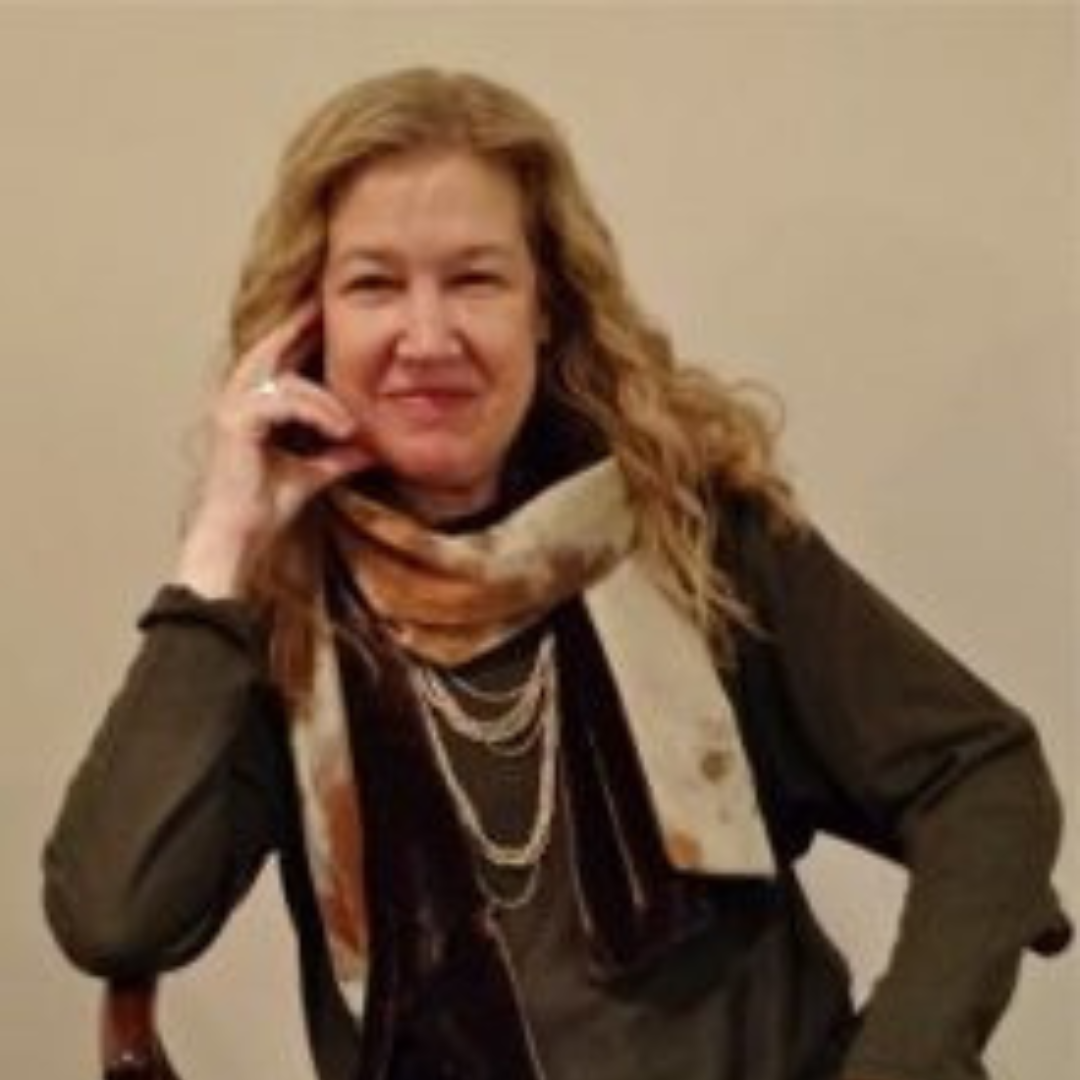
Marcy G.
M.S., CCC-SLP, TSSLD, SPEECH-LANGUAGE PATHOLOGIST
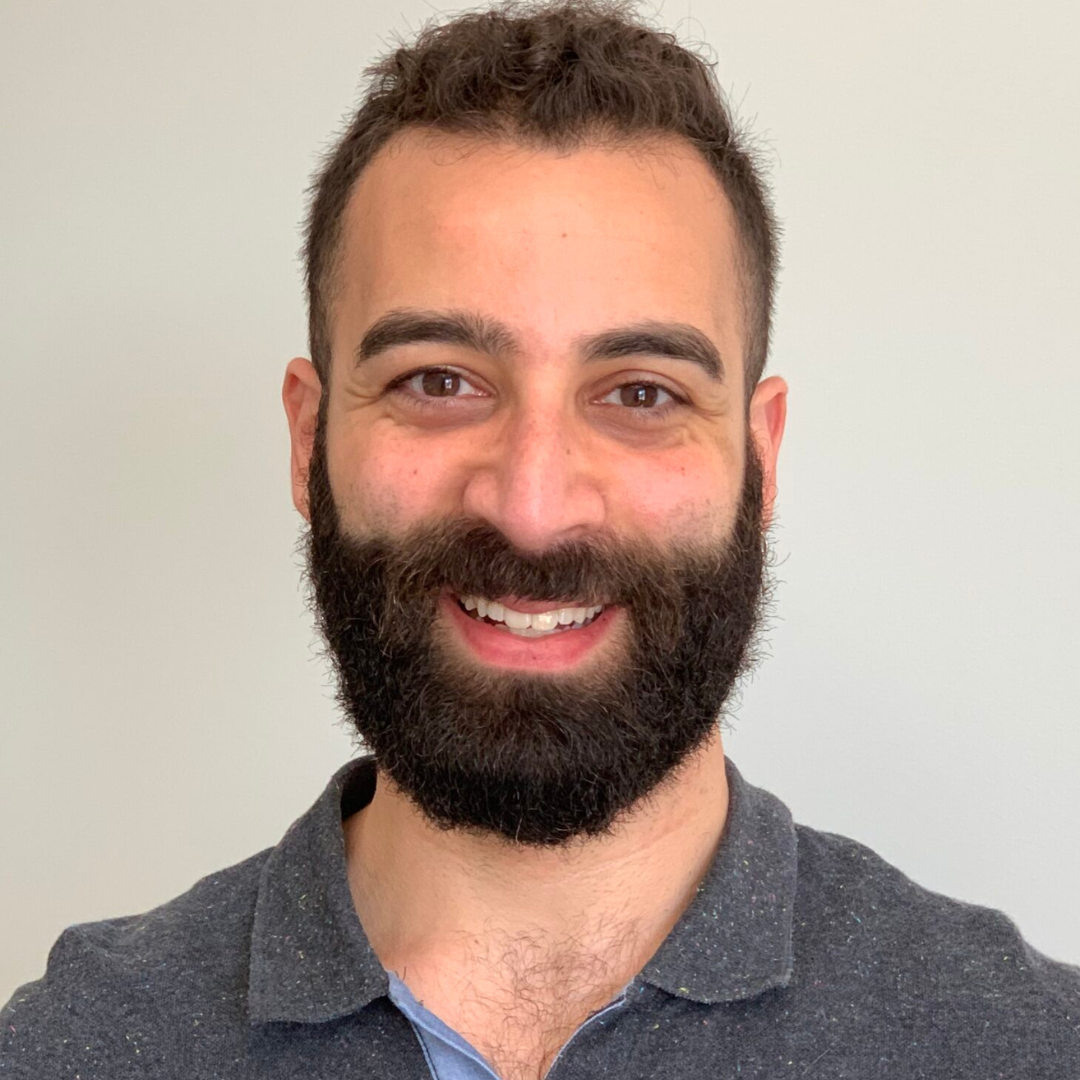
Max
Ph.D., CCC-SLP, TSSLD
Rachel V.
M.S., CCC-SLP, TSSLD, SPEECH LANGUAGE PATHOLOGIST
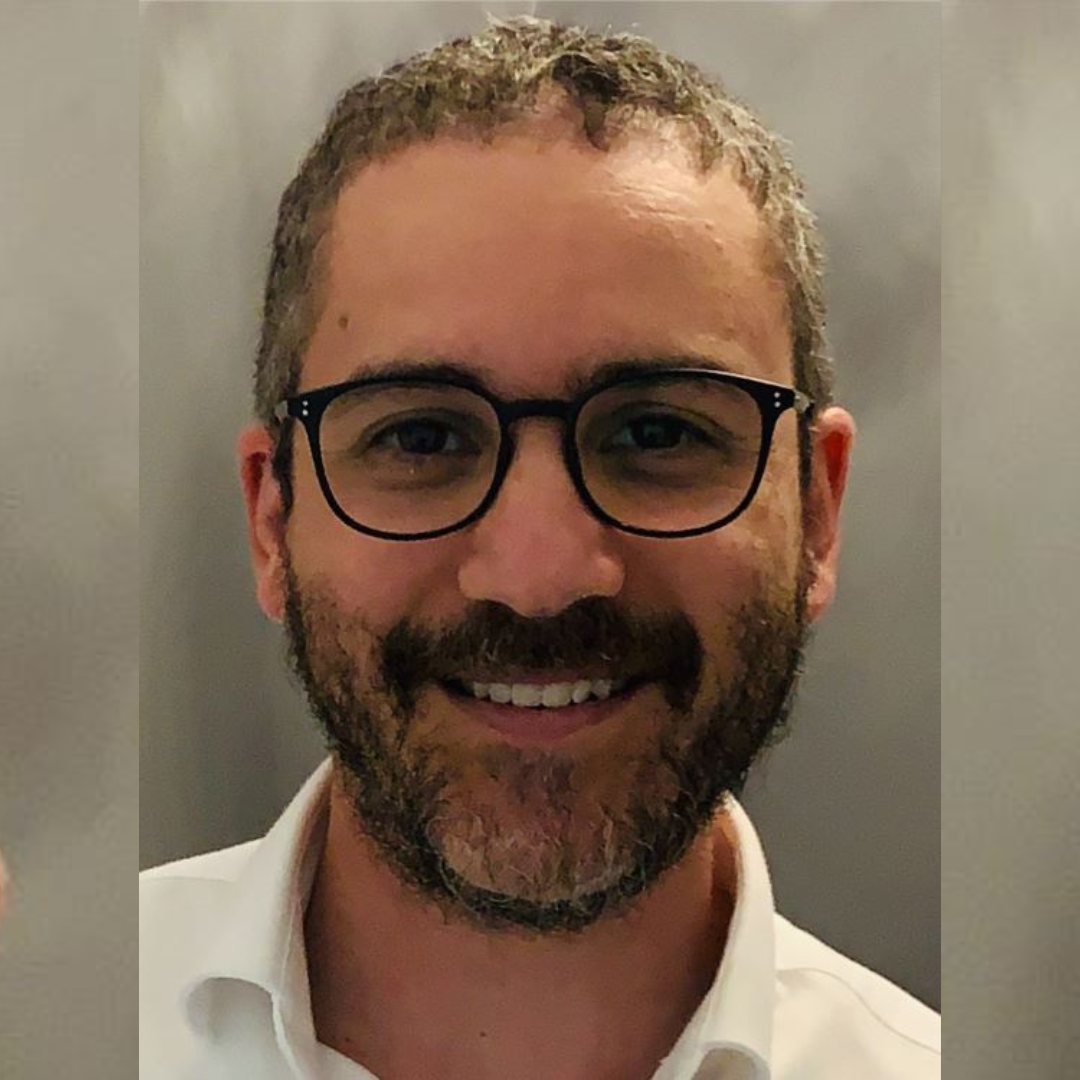
Sholom
MA, CCC-SLP, TSSLD, SPEECH LANGUAGE PATHOLOGIST
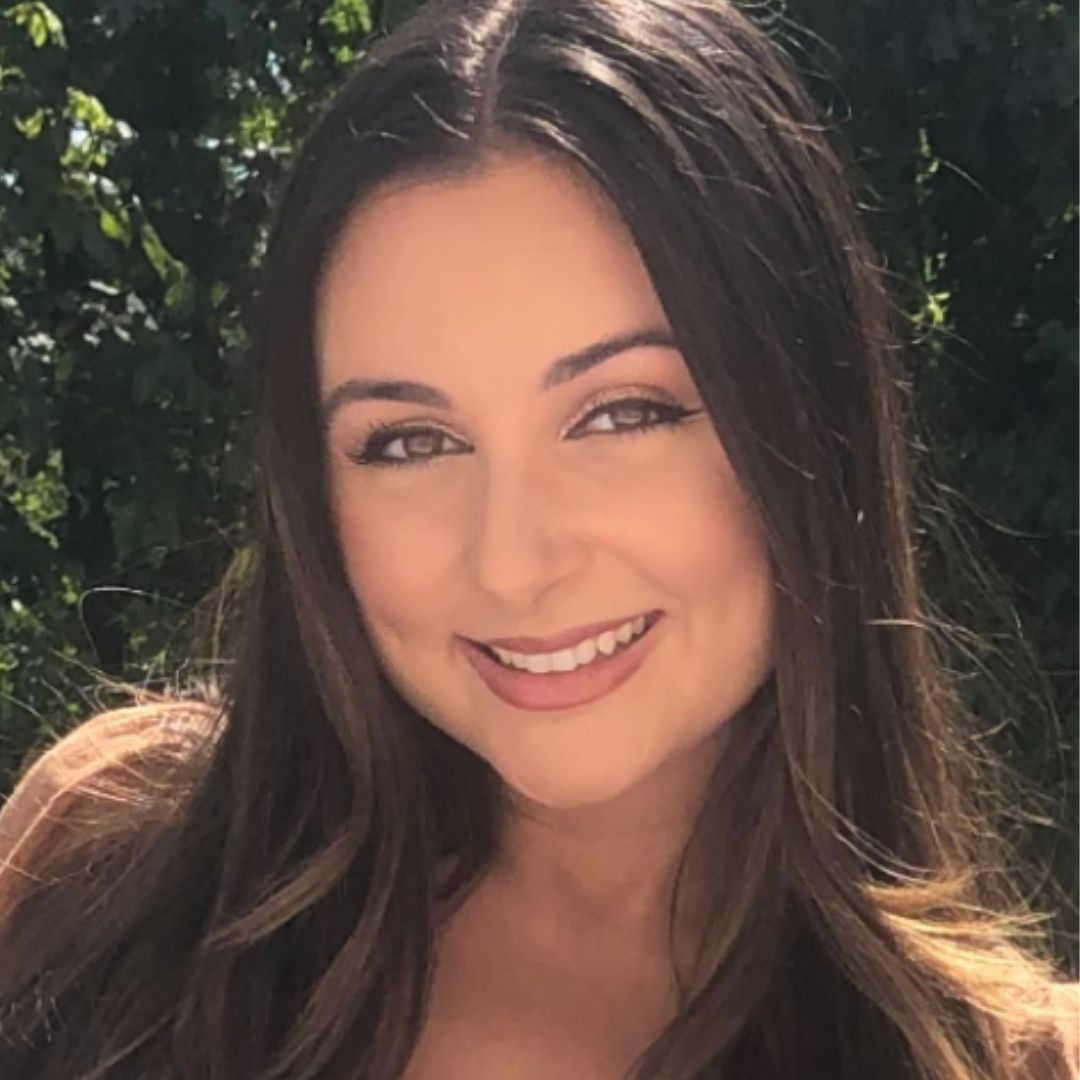
Amanda
M.S., CCC-SLP, TSSLD, SPEECH-LANGUAGE PATHOLOGIST
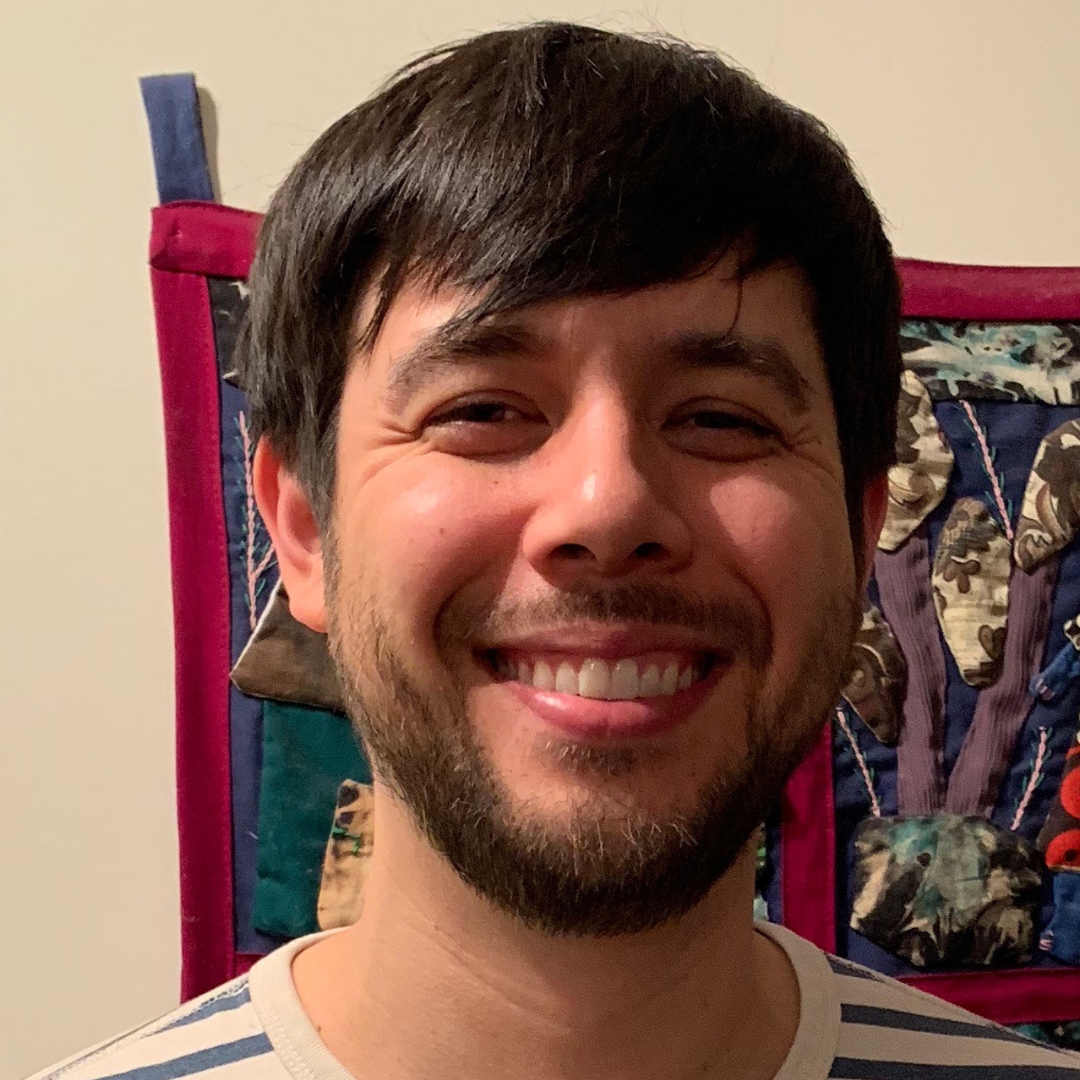
Theo W.
M.S. CCC-SLP, Speech Language Pathologist
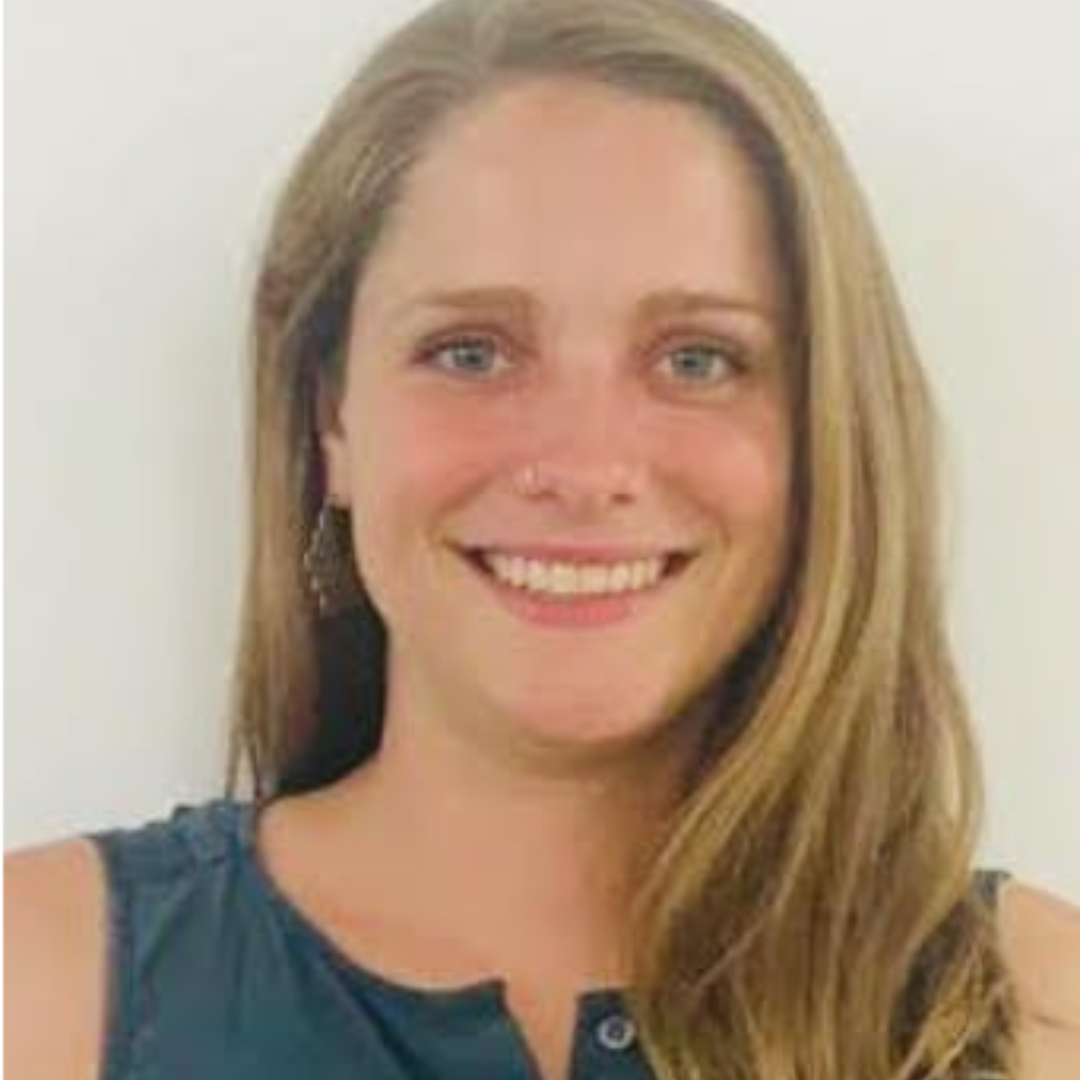
Kristin
M.A., CCC-SLP, TSSLD, SPEECH LANGUAGE PATHOLOGIST
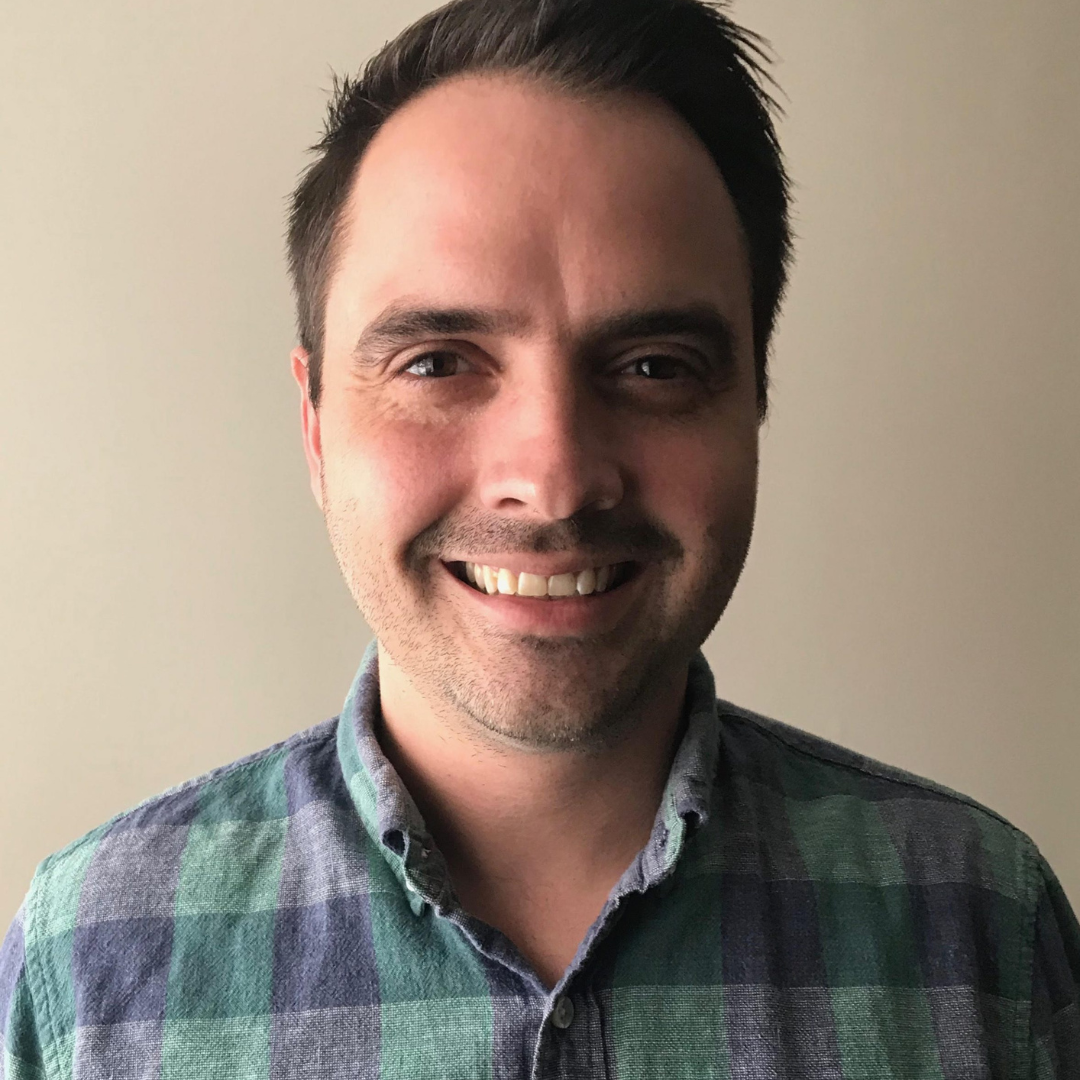
Ben I.
M.S., CCC- SLP, TSSLD, SPEECH LANGUAGE PATHOLOGIST
FREE CONSULTATION!!!
Call: (347) 394-3485,
Text: (917) 426-8880
Email: [email protected]
(we respond to email right away!)