
IN-HOME QUEENS PUBLIC SPEAKING COACHING FOR ADULTS & PROFESSIONALS

WE TRAVEL TO YOU THROUGHOUT QUEENS:
Astoria, Auburndale, Bayside, Bayswater, Beechhurst, Belle Harbor, Bellerose, Breezy Point, Briarwood, Cambria Heights, College Point, Corona, Douglaston, East Elmhurst, Edgemere, Elmhurst, Far Rockaway, Floral Park, Flushing, Forest Hills, Forest Park, Fresh Meadows, Glendale, Hamilton Beach, Hillcrest, Hollis, Hollis Hills, Holliswood, Howard Beach, Hunters Point, Jackson Heights, Jamaica, Jamaica Estates, Jamaica Hills, Kew Gardens, Kew Gardens Hills, Laurelton, Lefrak City, Lindenwood, Little Neck, Long Island City, Malba, Maspeth, Meadowmere, Middle Village, Neponsit, North Corona, Oakland Gardens, Ozone Park, Pomonok, Queens Village, Rego Park, Richmond Hill, Ridgewood, Rockaway Park, Rosedale, Roxbury, South Jamaica, South Ozone Park, Springfield Gardens, Steinway, Sunnyside, Utopia, Whitestone, Willets Point, Woodhaven, Woodside.
QUEENS PUBLIC SPEAKING COACHING
WE TRAVEL TO YOU THROUGHOUT QUEENS:
Astoria, Auburndale, Bayside, Bayswater, Beechhurst, Belle Harbor, Bellerose, Breezy Point, Briarwood, Cambria Heights, College Point, Corona, Douglaston, East Elmhurst, Edgemere, Elmhurst, Far Rockaway, Floral Park, Flushing, Forest Hills, Forest Park, Fresh Meadows, Glendale, Hamilton Beach, Hillcrest, Hollis, Hollis Hills, Holliswood, Howard Beach, Hunters Point, Jackson Heights, Jamaica, Jamaica Estates, Jamaica Hills, Kew Gardens, Kew Gardens Hills, Laurelton, Lefrak City, Lindenwood, Little Neck, Long Island City, Malba, Maspeth, Meadowmere, Middle Village, Neponsit, North Corona, Oakland Gardens, Ozone Park, Pomonok, Queens Village, Rego Park, Richmond Hill, Ridgewood, Rockaway Park, Rosedale, Roxbury, South Jamaica, South Ozone Park, Springfield Gardens, Steinway, Sunnyside, Utopia, Whitestone, Willets Point, Woodhaven, Woodside.
Best 1:1 Queens, NYC Public Speaking Coaches| Free Consultations and Meet & Greets with our professionals.
As Featured In:








Queens public speaking coaching provides individualized support for adults and professionals who want to communicate more clearly, prepare stronger presentations, and speak with greater confidence. We provide in-home public speaking coaching throughout Queens, with remote options available when appropriate.
Coaching can focus on executive communication, business presentations, meetings, interviews, wedding speeches, voice projection, articulation, pacing, audience engagement, and overall delivery. Sessions are available for clients in Forest Hills, Bayside, Fresh Meadows, Kew Gardens, Rego Park, Flushing, and surrounding Queens neighborhoods.
Some clients begin coaching after noticing a specific speaking challenge. Others start proactively before a presentation, promotion, interview, leadership opportunity, or important event. Experienced speakers may also use coaching to refine executive presence, persuasive delivery, storytelling, and high-level presentation skills.
Why Queens Families Choose This
- Expert Guidance: Receive personalized coaching focused on essential presentation, communication, and professional speaking skills. Seasoned coaches we work with understand the nuances of adult public speaking and tailor strategies to overcome specific challenges—without requiring a speech therapy background or diagnosis.
- Flexible Learning Options: Enjoy the flexibility of choosing between at-home sessions across Queens neighborhoods or remote coaching. This ensures you can learn in a comfortable, familiar environment, enhancing confidence and reducing anxiety.
- Comprehensive Training Services: Our program covers many public speaking skills, including speech improvement, accent reduction, articulation training, and body language. We take a holistic approach to ensure every aspect of your speaking style is refined and strengthened.
- Confidence Building and Stage Presence: Conquer stage fright and learn persuasive speaking techniques to captivate and connect with your audience. We provide proven methods to boost your confidence and instill a commanding presence.
- Business and Executive Communication Support: We provide specialized training for executive communication and business presentations, helping professionals deliver impactful speeches, lead meetings, and speak with authority in any setting.
- Ongoing Support and Progress Tracking: Beyond the initial sessions, we offer ongoing support to track your progress, refine your skills, and provide feedback. Whether preparing for a specific event or aiming for long-term growth, we ensure you’re consistently moving forward.
- AI-powered tools: Our tools provide continuous, personalized support to enhance speech coaching sessions, helping clients practice and refine their communication skills between sessions. From real-time feedback on pacing, filler words, and delivery to simulated scenarios for interviews, presentations, and crucial conversations, these tools boost confidence, accelerate progress, and ensure measurable improvement for long-term communication success. These tools range in cost from as low as $12–$20 per month to as high as $79 per month. While highly recommended, they are not required if you choose to work with us.
How It Works
Queens public speaking coaching begins by identifying the speaking situations, communication goals, and delivery skills most important to each client.
The process begins with a free consultation to discuss your goals, upcoming speaking situations, and areas you want to strengthen. Coaching may then focus on presentation structure, voice projection, articulation, pacing, audience engagement, executive communication, or another specific communication goal.
Sessions can be delivered in the home throughout Queens, with remote options available when appropriate. Coaching is individualized rather than based on a fixed curriculum.
When Adults Seek This Support
Adults seek public speaking coaching for immediate speaking challenges, proactive professional development, and advanced communication refinement.
Early Concern: Coaching may be useful when presentations feel difficult to organize, voice projection is inconsistent, delivery feels rushed, or speaking situations create noticeable uncertainty.
Proactive Support: Many Queens professionals begin coaching before an important presentation, interview, promotion, leadership transition, conference, wedding speech, or other high-visibility event rather than waiting for a serious problem.
Advanced Speakers: Experienced presenters may seek coaching to refine executive presence, persuasive communication, storytelling, vocal variety, audience engagement, and delivery at a higher level.
Public speaking coaching does not require a speech-language diagnosis. The service can be used proactively by adults who simply want stronger communication skills.
Training/Certifications


Training/Certifications





What is Public Speaking?
Consider an occasion when you were requested to speak in front of a big group. This can be anything from giving a presentation at work, moderating a work meeting or conference, or delivering a speech at a family gathering. Is that encounter bringing up any unpleasant emotions? Many individuals connect public speaking with a terrible experience that we would want to avoid at all costs. However, public speaking is sometimes inevitable. You don’t have to be nervous whether you’re a kid making a class presentation or an adult speaking at your best friend’s wedding.
What Makes Public Speaking Challenging?
Some of the most common reasons that make public speaking a challenge for many individuals include:
- Little experience with public speaking.
- Viewing public speaking as a show rather than as a means of connecting with an audience.
- Speech preparation and development are limited.
- The anxiety of the speaker.
- Inexperience with using technology relating to the speech (video clips, PowerPoint presentations, music, etc).
When Adults Benefit
Adults benefit from public speaking coaching when stronger preparation, clearer delivery, or more effective audience engagement would improve an important communication situation.
Public speaking coaching may be useful when:
- presentations lack a clear structure
- speaking feels rushed or overly rehearsed
- voice projection is inconsistent
- filler words distract from the message
- ideas are difficult to explain concisely
- audience engagement feels limited
- meetings or interviews require stronger executive communication
- a major speech or presentation is approaching
- virtual presentations feel different from in-person speaking
- an experienced speaker wants more polished delivery
The goal is not to create one universal speaking style. Effective coaching helps clients develop communication strategies that fit the audience, setting, purpose, and individual speaker.
Free Intake Process

- Initial Contact and Consultation: Contact us via email, text, or phone, and we’ll respond promptly, any day of the week. We’ll arrange a phone call within one business day to discuss your needs.
- Review: We thoroughly review past reports, evaluations, and report cards to deeply understand the client’s history and the family’s requirements.
- Tailored Assessments: Clients can undergo a detailed educational assessment in literacy and math, which helps identify strengths and areas needing improvement. This allows us to customize sessions for the best possible outcomes. Additionally, licensed speech-language pathologists provide comprehensive evaluations for individuals of all ages.
- Finding the Right Match: We collaborate closely with clients to determine their specific needs and then carefully select the best professionals. We offer detailed profiles of these professionals to assist clients in making well-informed decisions. All professionals we work with are available for free remote meet-and-greets!
- Expert Professionals: Our professionals comprise certified speech-language pathologists with advanced training in communication and public speaking—not just speech therapy. They bring a unique understanding of voice control, articulation, and clarity that helps any adult become a more compelling and confident speaker. Whether or not you’ve had prior experience with speech therapy, our coaching is tailored to your specific goals—not a clinical diagnosis. With a client-centered approach and a commitment to effective, results-driven care, we provide personalized, evidence-based strategies tailored to each client’s unique needs, promoting lasting improvements in clarity, confidence, and communication impact.
We ensure that all reports and communications are securely stored using a HIPAA-encrypted email system, maintaining confidentiality. We do not release any confidential information without your written consent, providing peace of mind regarding the security and privacy of your information.
In-Home Public Speaking Coaching vs. Remote Coaching
In-home coaching provides face-to-face rehearsal in a private setting, while remote coaching offers flexibility for virtual and geographically dispersed communication.
In-home support can be especially useful for clients preparing speeches, live presentations, executive communication, or situations where body language, physical presence, and room-level delivery matter.
Remote coaching can work well for virtual presentations, interviews, meetings, or clients who prefer scheduling flexibility.
Queens Letters offers both formats, with in-home public speaking coaching available throughout Queens.
What Does "Connection" Imply?
Connecting with your audience can be as simple as tweaking and adjusting your language to personalize them and make yourself and your message more relatable to your audience. Here are other essential strategies:
-
Greet your audience. It may seem strange to say this, but what’s even stranger is how many individuals fail to do so. When you rush into a presentation, whether on stage or through video conference, without pausing to address your audience, you are not treating them as individuals. Begin with a “Hi!” or “Hey, how are you?” Thank them for attending or for inviting you to speak in front of them. Recognize the event and the cause for your presence. Discuss what you will talk about and why you believe it’s essential to them.
-
Plan your conversation around their interests, not yours. Assume you’re a business owner presenting a new product to a group of investors. Do you think you should start by establishing your credentials? By recounting the lengthy, arduous path that leads to your idea? No. The investors are there to earn money, so go right to the point and talk about the urgent problem you’re solving and the massive market that awaits you. Tell them where they fit in and why you want to work with them specifically rather than anybody else. It’s essentially the same pitch you’d deliver to another group, except this time it’s geared to the individuals in the room.
-
Tell tales that are meaningful to your audience. Using real-life examples may help to make your speech more memorable, captivating, and engaging. But be picky about which stories you tell. If you’re touring the world to raise money to treat kids’ diseases, don’t keep recounting the same heartbreaking tale of a family friend’s daughter who died too early. Choose stories that are as near to home as possible. Find stories of local children to help you explain your topic more sympathetically.
-
Avoid doing anything that draws attention to your differences from the audience. In seconds, people can lose interest in your words, thoughts, and information. Convert your data to centimeters and liters if your audience utilizes the metric system so they don’t have to do it themselves. Avoid using scientific words when speaking to a fourth-grade class. If you’re presenting information to a Brazilian audience, mention research they can trust, preferably one that’s in Brazil and easy to look up. When presenting data, ensuring a reliable and reputable source is always necessary. However, your message will gain more impact when you present information in a localized language and context that your audience can easily understand.
-
Don’t merely consider the information. People still bother with meetings and presentations in an age where most information is instantaneously available online for one reason: they require social context—someone they trust—before they can absorb knowledge. Your Zoom quarterly sales report updates are more than simply you reeling off data figures. People notice your appearance, bearing, manner, and how well you deliver information. So talk, dress appropriately, keep your hands visible, relax your shoulders, straighten your back, smile (particularly if you see someone you know), and create eye contact.
-
Tell stories, use humor, and use effective language. Incorporate a humorous tale into your presentation, and you will undoubtedly capture the interest of your audience. Audiences often appreciate a personal touch in a speech. That is something that a narrative can deliver. Even a renowned public speaker, Aristotle, felt that listeners are more interested in who we are and how we convey information than in the subject itself.
-
Remember to pause. Pauses may be a very effective strategy in public speaking since they help both the speaker and the listener. Research shows that the average professional speaks at 150 words per minute. By pausing, you allow yourself time to gather your thoughts and observe your audience quickly. It also gives the room time to process the message you just delivered and ponder on the implications of your information. Properly timed pauses also impact your message.
-
Use inflection to stress important points and captivate your audience. Inflection, also known as voice modulation, is defined as a “shift in the pitch or tone of the voice.” It is classified into four types: upward, downward, level, and circumflex. Varying your tone during the speech—gently raising your voice to signal an inquiry, slightly dropping it to complete a declarative phrase, speaking louder to suggest joy, or quieter to express grief—can help keep your audience awake and maintain their attention.
-
Amplify your message using gestures and movements. During presentations, people pay attention to motions and gestures. If you use your body to emphasize a point, such as applauding or pointing, the audience is far more likely to remember what you say. Powerful presenters use this public speaking approach throughout their speeches, which certainly works.
-
Use eye contact. A careful glance into the eyes of an audience member might convey how much you value their opinions. When you make eye contact with your audience, it creates a more personal atmosphere. It makes your listeners feel like they are having a conversation with you instead of just listening to a discussion or a presentation. It forges a link between the speaker and the listener, a bond that benefits both sides. When you look someone in the eyes, they are more inclined to look at you, listen to you, and believe in your message.
-
Have a well-organized and structured speech. The audience can tell when a speaker has given enough time and effort to prepare a speech or if they are simply “winging it.” A well-organized speech makes you less likely to go around in circles or deliver an ambiguous message. When you are clear and concise, it will be easier for your audience to digest the information, ask relevant questions, and reach the conclusion you wish for them to make. You can answer their questions and clarify your points more effectively. Begin with the body while planning a speech. Based on your study and accompanying resources, determine the major topics of a speech. The major points should support the thesis statement and aid in achieving the general and particular goals. Topical, chronological, geographical, problem-solution, cause-effect, and Monroe’s Motivated Sequence are several organizing patterns that can assist in organizing the major ideas of a speech.
A speech-language pathologist is an expert in the field of communication. Brooklyn Letters’ licensed speech-language pathologists have the highest level of training to help you achieve your public speaking goals. Let us identify the best techniques to help you overcome your concerns and become a confident speaker.

Getting Started with Queens Letters
Take the first step with a free consultation and remote meet-and-greet to discuss your goals in a relaxed setting. Professionals we work with will answer any questions, outline the public speaking coaching process, and ensure we align with your personal or professional needs.
With a focus on speaking with confidence and vocal training, our 1:1 coaching is here to help you communicate clearly and easily. Ready to transform your public speaking skills? Reach out today to get started!
Employer Support: Will Your Company Cover the Cost?
Many companies are willing to cover the costs of professional development programs, including public speaking coaching, as they recognize that enhancing individuals’ communication skills can lead to increased productivity and reduced turnover. Individuals interested in such opportunities should inquire with their managers or HR departments about available programs, which might be listed under terms like “professional development stipend” or “professional development allowance.” Even if a formal program isn’t in place, individuals can advocate for coverage by demonstrating how the coaching will benefit their role and the organization. Highlighting the potential return on investment and the specific ways improved communication skills can impact the company may persuade employers to support the initiative.
FAQ
Queens public speaking coaching can support professionals, executives, and other adults preparing for personal or professional speaking situations.
What can a public speaking coach help with?
Public speaking coaching can address presentation structure, voice projection, articulation, pacing, filler words, body language, executive communication, storytelling, audience engagement, and delivery.
Do I need speech therapy to work with a public speaking coach?
No. Public speaking coaching can be appropriate for adults who want to improve communication skills without a speech-language diagnosis.
Do you provide in-home public speaking coaching in Queens?
Yes. Queens Letters provides in-home public speaking coaching throughout Queens, with remote options available when appropriate.
Which Queens neighborhoods do you serve?
Queens Letters serves clients throughout Queens, including Forest Hills, Bayside, Fresh Meadows, Kew Gardens, Rego Park, Flushing, and surrounding neighborhoods.
Can coaching help with business presentations and executive communication?
Yes. Coaching can focus on presentations, meetings, pitches, interviews, leadership communication, audience engagement, voice, and executive delivery.
Is public speaking coaching only for people who are nervous?
No. Experienced speakers also use coaching to refine persuasive delivery, executive presence, presentation structure, storytelling, vocal variety, and audience connection.
Check out our rates here!Check out our rates here!
MEET SOME OF THE PUBLIC SPEAKING COACHES WE WORK WITH
Judith W.
M.A., CCC-SLP, TSSLD, VASTA (Voice and Speech Trainers Association) and Certified Singing Teacher
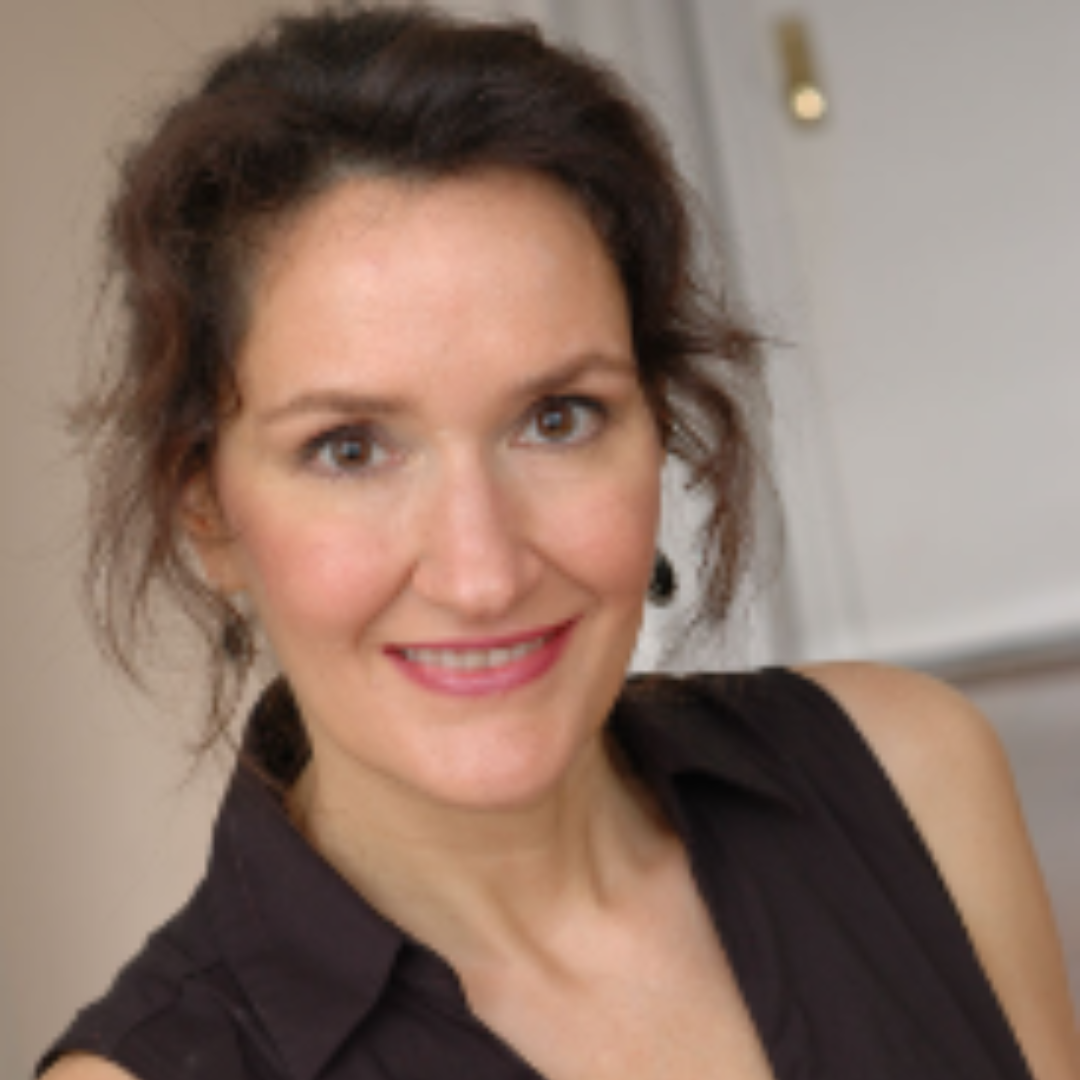
Judith has been a speech-language pathologist since 1993, specializing in speech coaching for professionals and individuals seeking to enhance their communication skills. Her expertise spans accent reduction, voice training, elocution, public speaking, and business communication, empowering clients to present themselves with confidence and clarity.
Since 2015, Judith has helped professionals become dynamic, confident communicators through her holistic approach to corporate communication. She has coached executives and emerging leaders at top organizations including IBM, Bloomberg, Citi, and NASDAQ. Judith’s coaching approach focuses on developing powerful voices, enhancing speech clarity, and adapting seamlessly across communication contexts. She specializes in improving public speaking, meeting skills, and workplace communication, teaching practical strategies that elevate presence and authenticity. She understands that how you speak often carries more weight than the words themselves.
Judith’s extensive experience also includes working with adults in clinics, rehab centers, and private settings, as well as coaching professionals to improve workplace communication.
Her innovative “Sounds in Motion” program, implemented in schools, used a multi-sensory approach to boost speech development and fluency. Judith’s approach to coaching is enriched by her background in singing, movement, acting, improv, and public speaking. She believes that integrating these elements makes learning enjoyable and results in deeper, more lasting improvements in communication skills.
Judith is a member of VASTA (Voice and Speech Trainers Association), CORSPAN (Corporate Speech Pathology Network), and ASHA (American Speech-Language-Hearing Association).
Location: Remote
Types of Services:
- Individual and group speech coaching for adults (accent reduction, vocal development, public speaking, business communication)
- Communication assessments
Expertise: Accent modification, stuttering, public speaking, voice training, business communication skills, and confidence-building for individuals with Asperger’s and autism
Gehan A.
MS, CCC-SLP, TSSLD

Gehan is a dedicated Speech language pathologist with a Master’s degree in Communication Sciences and Disorders from Adelphi University. She specializes in voice therapy for adults, helping clients enhance their vocal presence for public speaking, performance, and everyday communication.
With a strong commitment to inclusivity and affirming care, Gehan offers specialized transgender voice therapy, providing both individual and group sessions tailored to male-to-female and female-to-male voice habilitation. Gehan’s work empowers clients to align their voice with their gender identity in a healthy, authentic, and sustainable way.
In addition, Gehan supports public speakers through vocal habilitation—focusing on vocal health and expressive voice use. Her clinical expertise also includes fluency intervention, articulation therapy, and accent modification, helping clients build clarity and confidence in all areas of communication.
Whether working with professionals, performers, or individuals on a personal journey, Gehan brings compassion, clinical skill, and a deep passion for helping others find and express their true voice.
Location: Remote
Expertise: Voice therapy for adults, public speaking support and vocal presence for performance and communication, transgender voice therapy (MTF and FTM voice habilitation – individual and group sessions), vocal habilitation including vocal health and expressive voice use, fluency intervention, articulation therapy, and accent modification.
Karen M.
M.S., CCC-SLP, TSSLD

Karen holds a master’s degree from the University of California at Long Beach and a Certificate of Clinical Competence in Speech-Language Pathology (CCC-SLP) from the American Speech-Language-Hearing Association (ASHA). Before relocating to New York City, she owned and operated a private practice in Silicon Valley, California.
Karen specializes in public speaking coaching, helping clients enhance their confidence, voice quality, intonation, and vocal strength. She provides expert guidance to professional speakers, corporate executives, and audiobook narrators, assisting them in refining their pronunciation, presentation style, and audience engagement.
Her coaching is tailored for individuals transitioning from small corporate meeting rooms to large indoor and outdoor venues, ensuring they develop the skills needed for effective and dynamic presentations. She also trains clients in stress management techniques, helping them overcome public speaking anxiety while fostering stronger audience connections.
Karen’s approach is designed to empower speakers with the skills and confidence necessary to deliver impactful, engaging, and memorable presentations.
Location: Remote
Experience: Adult Articulation Disorders, Adult CVA , Adult language disorders, executive functioning difficulties, voice disorders , chronic cough, Parkinson’s and social/pragmatic difficulties.
FREE CONSULTATION!!!
Call & Text: (917) 426-8880
Email: queens@brooklynletters.com
(we respond to email right away!)

