Yelp (also view our 35+ filtered reviews)
Top Speech Pathologist in New York City

ACCENT REDUCTION MODIFICATION SPEECH THERAPY FOR ADULTS

accent reduction modification speech therapy
WE TRAVEL TO YOU THROUGHOUT QUEENS:
Astoria, Auburndale, Bayside, Bayswater, Beechhurst, Belle Harbor, Bellerose, Breezy Point, Briarwood, Cambria Heights, College Point, Corona, Douglaston, East Elmhurst, Edgemere, Elmhurst, Far Rockaway, Floral Park, Flushing, Forest Hills, Forest Park, Fresh Meadows, Glendale, Hamilton Beach, Hillcrest, Hollis, Hollis Hills, Holliswood, Howard Beach, Hunters Point, Jackson Heights, Jamaica, Jamaica Estates, Jamaica Hills, Kew Gardens, Kew Gardens Hills, Laurelton, Lefrak City, Lindenwood, Little Neck, Long Island City, Malba, Maspeth, Meadowmere, Middle Village, Neponsit, North Corona, Oakland Gardens, Ozone Park, Pomonok, Queens Village, Rego Park, Richmond Hill, Ridgewood, Rockaway Park, Rosedale, Roxbury, South Jamaica, South Ozone Park, Springfield Gardens, Steinway, Sunnyside, Utopia, Whitestone, Willets Point, Woodhaven, Woodside.

ACCENT REDUCTION AND MODIFICATION COACHING

accent reduction modification speech therapy
WE TRAVEL TO YOU THROUGHOUT QUEENS:
Astoria, Auburndale, Bayside, Bayswater, Beechhurst, Belle Harbor, Bellerose, Breezy Point, Briarwood, Cambria Heights, College Point, Corona, Douglaston, East Elmhurst, Edgemere, Elmhurst, Far Rockaway, Floral Park, Flushing, Forest Hills, Forest Park, Fresh Meadows, Glendale, Hamilton Beach, Hillcrest, Hollis, Hollis Hills, Holliswood, Howard Beach, Hunters Point, Jackson Heights, Jamaica, Jamaica Estates, Jamaica Hills, Kew Gardens, Kew Gardens Hills, Laurelton, Lefrak City, Lindenwood, Little Neck, Long Island City, Malba, Maspeth, Meadowmere, Middle Village, Neponsit, North Corona, Oakland Gardens, Ozone Park, Pomonok, Queens Village, Rego Park, Richmond Hill, Ridgewood, Rockaway Park, Rosedale, Roxbury, South Jamaica, South Ozone Park, Springfield Gardens, Steinway, Sunnyside, Utopia, Whitestone, Willets Point, Woodhaven, Woodside.

Private 1:1 Accent Reduction and Modification Coaching for Adults in Queens | In-Home and Remote Options

Accent reduction and modification coaching in Queens helps adults refine pronunciation, speech clarity, rhythm, intonation, pacing, and professional communication while preserving individual identity and natural speaking style.

We provide in-home accent reduction and modification coaching throughout Queens, with remote options available when appropriate.

Adults in Forest Hills, Bayside, Fresh Meadows, Kew Gardens, Flushing, and surrounding Queens neighborhoods can receive individualized support delivered in the home.


As Featured In:

What This Service Is

Accent reduction and modification coaching helps Queens adults refine speech patterns for clearer, more effective personal and professional communication.

Accent modification is individualized communication training for adults who want to adjust selected features of spoken English. Goals may include clearer pronunciation, more natural rhythm and intonation, improved pacing, or greater ease communicating in professional and social settings.

Adults do not need a speech or language disorder to benefit from accent coaching. Many clients pursue support proactively because they want their spoken communication to better reflect their knowledge, experience, and professional abilities.

Queens Letters provides in-home support across Queens, allowing adults to work on communication skills in a private and convenient setting.

Queens Letters works with adults with and without diagnosed speech challenges. The professionals we work with include licensed speech-language pathologists and experienced accent coaches, allowing support to match each client’s communication goals.

Some adults begin because specific sounds or speech patterns are affecting clarity. Others start proactively before a new job, presentation, interview, promotion, or other communication-intensive opportunity. Advanced speakers may seek refinement of presentation style, intonation, pacing, or executive-level communication.

When Adults Seek This Support

Queens adults seek accent coaching for communication clarity, professional advancement, proactive skill development, and advanced speaking refinement.

Adults commonly begin accent modification when:

  • certain sounds or words are frequently misunderstood
  • communication requires repeating information
  • workplace conversations feel less efficient than desired
  • presentations, interviews, or meetings require greater speaking precision
  • a new professional role increases communication demands
  • an adult wants to strengthen pronunciation before problems arise
  • an experienced speaker wants more advanced work on pacing, intonation, or presentation delivery

Many Queens adults begin support proactively rather than waiting for communication difficulties to become disruptive.

Professionals often seek to maintain strong communication skills as responsibilities increase. Proactive coaching can help prevent recurring communication breakdowns while building more deliberate speaking habits.

Queens Letters focuses on speech language, literacy, and math intervention that is proactive, early, and enrichment oriented academic and speech language support.

Why Choose Queens Letters?

Choosing Queens Letters means opting for a specialized, supportive approach to accent reduction tailored to meet your personal goals and daily needs. Here are six reasons to trust us with your accent modification journey:

  1. Personalized Approach – We focus on each client’s unique communication goals, offering customized plans for articulation improvement that address specific pronunciation, intonation, and clarity needs.
  2. Convenience – With no need to travel, we come to you for at-home sessions or connect via remote options, offering flexibility to fit your schedule and comfort level.
  3. Qualified Experts – The professionals we work with consist of highly trained Accent Reduction Specialists and licensed Speech-Language Pathologists. Whether you’re looking for professional communication coaching or structured therapeutic support, we guide you toward authentic improvement. We also offer dialect training for professional settings.
  4. Community Focus – Based in Queens, we understand the unique linguistic diversity of the area and cater to clients from various cultural and linguistic backgrounds, respecting and valuing each client’s unique speech goals.
  5. Commitment to Progress – Our specialists provide clear, structured guidance and track your progress. Whether your goal is to achieve accent neutralization, improve speech patterns, or gain public speaking confidence, we celebrate each step forward and work toward long-term success.
  6. Supportive Environment – Queens Letters creates a welcoming space where clients can feel at ease, working on clear communication without judgment. Our sessions empower clients to grow their confidence in speaking and thrive in both personal and professional contexts.
  7. Our AI-powered tools provide continuous, personalized support to enhance speech coaching sessions, helping clients practice and refine their communication skills between sessions. From real-time feedback on pacing, filler words, and delivery to simulated scenarios for interviews, presentations, and crucial conversations, these tools boost confidence, accelerate progress, and ensure measurable improvement for long-term communication success. These tools range in cost from as low as $12–$20 per month to as high as $79 per month. While highly recommended, they are not required if you choose to work with us.

How It Works

Adult accent coaching begins with an individualized review of speech patterns, communication goals, and the speaking situations that matter most to each client.

Support may begin with an in-home or remote evaluation of pronunciation, speech sounds, rhythm, intonation, pacing, and conversational communication.

The specialist can then identify specific patterns to target and develop structured practice around real-life goals such as meetings, presentations, interviews, client conversations, public speaking, or everyday communication.

Working directly with adults in Queens homes provides privacy, convenience, and opportunities to practice communication skills in a familiar environment. Remote options remain available when appropriate.

Accent modification is not limited to adults with diagnosed speech or language challenges. Adults may pursue coaching simply because clearer, more efficient communication supports professional, academic, social, or personal goals.

The objective is not to erase an accent. Coaching focuses on selected communication features that the client chooses to modify.

When Adults Benefit

Accent modification can support adults with emerging communication concerns, proactive professional goals, or advanced speaking and presentation objectives.

Early Communication Concerns

Support may be useful when an adult begins noticing frequent requests for repetition, difficulty with particular sounds, or recurring misunderstandings in conversations.

Proactive Development

Adults do not need to wait for communication problems. Coaching can begin before interviews, promotions, presentations, leadership responsibilities, or other situations where spoken communication matters.

Many Queens adults seek support proactively to maintain strong communication skills over time.

Advanced Communication

Experienced professionals and fluent English speakers may pursue more sophisticated work on intonation, pacing, presentation delivery, emphasis, executive presence, and communication efficiency.

Accent coaching can therefore support both clearer everyday speech and higher-level professional communication.

Training/Certifications
TESTIMONIALS

My sessions with Karen have been extremely helpful.
My speech has improved tremendously. In fact, I just finished 2 hours of conducting interviews with a consulting client via MS Teams and I have an upcoming conference call. Both my neurologist and neurosurgeon remarked about how good my speech is. Much of the day it is perfect, although I still have some rough spots when I get tired or speak too quickly. One of my granddaughters is a speech pathology student at Ithaca College. She sat in on 2 sessions while she was home for winter break, and she was very impressed with Karen.

- William S.
Check Out Other Testimonials!
Meet the CEO
Presented at:

In a nutshell, an accent is simply the way an individual sounds when he or she speaks. It is a manner of pronunciation that is unique to an individual, location, or nation and is a natural part of spoken languages. Different factors make accents identifiable. They can be a reflection of one’s ethnicity and social, cultural, and geographical background.

While many factors can influence how you speak, accents are commonly grouped by:

  • Accents of National Origin: These types of accents are more common in non-native English speakers who learned English as a second language. For example, someone who only speaks English will often sound different than someone who was born in Italy and learned English later in life.
  • Regional Accents: There are parts of the country commonly associated with having stronger accents. Think New York, Texas, Boston, and other areas. Some people who move from state-to-state choose to modify how they sound.

Communication Differences

One’s geographical location influences the variation in accented speech. When an individual has a “foreign accent,” it is typically due to the influence of their first language. In such a case, a person speaks a particular language using the rules and sounds of another.

Thus, an accent is considered a communication difference as opposed to a disorder. However, there are instances wherein accented speech can interfere with effective communication. Some issues that may arise involving accented speech are:

  • difficulty being understood;
  • needing to repeat oneself frequently;
  • distraction (when the accent draws attention from the message); and
  • negative attitudes towards a particular accent.

These issues may create a negative impact on a person’s career and academic goals, self-esteem, social interactions, and daily activities (Brady, Duewer, & King, 2016; Carlson & McHenry, 2006). As such, the help of a speech-language pathologist (SLP) or other specialists (such as linguists or ESL instructors) may be sought.

However, since an accent is neither a speech nor a language disorder, the SLP’s goal is not to treat or remediate. Instead, SLPs design a program to facilitate accent modification or reduction.

accent reduction modification speech therapy

Goals of Accent Modification and Reduction

Accent modification focuses on improving intelligibility and communication efficiency rather than eliminating a speaker’s cultural or linguistic identity.

Common goals include clearer pronunciation, increased intelligibility, more effective word and sentence stress, smoother pacing, and greater control over intonation.

Specific goals should reflect the communication situations that matter to the individual rather than an expectation that every speaker should sound the same.

Realistic accent modification goals focus on communication effectiveness rather than sounding like a native speaker. A structured program may address pronunciation, speech sounds, stress, rhythm, pacing, and intonation according to the client’s priorities.

Free Intake Process

Whether you’re seeking a communication edge or support for more specific challenges, our intake process is designed to welcome all clients—regardless of whether you have a speech-language diagnosis or not.

  • Initial Contact and Consultation: Contact us via email, text, or phone, and we’ll respond promptly, any day of the week. We’ll arrange a phone call within one business day to discuss your needs.
  • Review: We thoroughly review past reports, evaluations, and report cards to deeply understand the client’s history and the family’s requirements.
  • Tailored Assessments: Clients can undergo a detailed educational assessment in literacy and math, which helps identify strengths and areas needing improvement. This allows us to customize sessions for the best possible outcomes. Additionally, our speech-language pathologists provide comprehensive evaluations for individuals of all ages.
  • Finding the Right Match: We collaborate closely with clients to determine their needs and select the best professionals. We offer detailed profiles of these professionals to assist clients in making well-informed decisions. All the professionals we work with are available for free remote meet-and-greets!
  • Expert Professionals: The professionals we work with include certified speech-language pathologists and experienced accent reduction coaches who offer evidence-based, personalized support. We help clients enhance their speech clarity, build confidence, and navigate accent-related communication challenges with tools that are practical, respectful, and empowering—regardless of your background or reason for seeking support.

We ensure that all reports and communications are securely stored using a HIPAA-encrypted email system, maintaining confidentiality. We do not release any confidential information without your written consent, providing peace of mind regarding the security and privacy of your information.

Schedule a Free Consultation!Schedule a Free Consultation!

Training and Strategies

A person may choose to do accent modification training on their own with the help of apps, books, or language software. However, instructor-led training provides significant advantages, including a more individualized program and instruction, immediate feedback, and timelier progress. Instructor-led training may either be one-on-one or as part of a small group, seminars, or workshops. The sessions can be done in-person or online.

SLP roles for accent modification:

  • conducting a comprehensive assessment of communication skills that is culturally and linguistically appropriate;
  • designing modification plans, teaching pronunciation, tracking progress, and determining appropriate dismissal criteria;
  • keeping up to date on research in the field of accent modification and contributing to the advancement of knowledge about the nature and provision of accent modification services.

How an SLP will evaluate your accent:

  • The production of different sounds
  • The rhythm and intonation of your speech
  • How you sound in conversation
  • How accent impacts your daily life

At the start of accent modification training, the SLP will conduct a comprehensive check on the individual’s language history. This will include:

  • where the individual has lived and how long they have lived in that area;
  • all languages spoken by the individual;
  • the age of acquisition or when target language was first learned;
  • the context in which the target language was learned (whether in school or community);
  • length and age of exposure to each language spoken;
  • the languages used at home, at work, and in social settings.

During accent modification training, the SLP will focus on the following key areas:

Segmentals – Refers to a language’s individual sounds. Each language contains a unique set of vowels and consonants that are used and combined in distinct ways to form words.

Suprasegmentals – These are the prosodic or rhythmic features of speech, which may significantly impact one’s intelligibility when modified.

  • Stress or putting emphasis on particular parts of a syllable
  • Intonation or the vocal pitch contour or patterns that affect a word’s meaning
  • Pitch or how high or low someone’s voice is perceived
  • Timing or rhythm, which refers to the duration of sounds and pauses
  • Loudness or the speaker’s vocal intensity

Language – Pertains to an individual’s proficiency in the target language, including syntax, morphology, vocabulary, and social use.

To achieve the goals set by both the client and the SLP, the following accent modification strategies are recommended by the American Speech-Language-Hearing Association:

  • Listen and imitate – repeating modeled sounds or speech
  • Phonetic training – teaching phonemes explicitly through descriptions and articulation
  • Minimal pair drill – differentiating similar sounds using listening discrimination and verbal production
  • Contextualized minimal pairs – differentiating similar sounds in a meaningful context
  • Visual aids – using visual cues to assist sound production
  • Tongue twisters – practicing phrases and sentences that use successive consonant sounds
  • Developmental approximation drills – using a developmental sequence in learning sounds of the target language
  • Practice vowel production and altering stress patterns
  • Reading aloud
  • Recording speech for progress monitoring, assessment, and feedback purposes
  • Auditory discrimination training
accent reduction modification speech therapy

Getting Started with Queens Letters

To make the process as comfortable as possible, we offer a free consultation and remote meet-and-greet where you can discuss your goals with a licensed accent reduction coaches. This initial session allows you to learn about our approach, ask questions, and begin planning your accent coaching journey with Queens Letters. Our consultations are designed to help you feel confident and informed, whether you’re working toward improved pronunciation or achieving your accent-neutralization goals.

Corporate Support for Communication Coaching

Many companies are open to covering the cost of accent reduction or modification coaching as part of their professional development initiatives. Improved communication skills can lead to increased productivity and reduced turnover, making such training a valuable investment for employers. To determine if your company offers this benefit, inquire with your manager or HR department about professional development stipends or learning allowances. If no formal program exists, consider presenting a case highlighting how accent coaching can enhance your performance and contribute to the organization’s success.

FAQ

Adult accent coaching can be used for pronunciation, intelligibility, workplace communication, presentations, interviews, and advanced speaking refinement.

Do I need a speech disorder to work on my accent?

No. Adults commonly pursue accent modification without a speech or language disorder. Coaching can be used simply to refine clarity, pronunciation, pacing, or professional communication.

Does accent coaching try to eliminate an accent?

No. Accent modification focuses on communication goals selected by the speaker rather than eliminating cultural or linguistic identity.

Is accent coaching available in my Queens home?

Yes. Queens Letters provides in-home accent reduction and modification coaching throughout Queens, with remote options available when appropriate.

What can adult accent coaching address?

Sessions may address pronunciation, vowel and consonant production, word stress, sentence rhythm, intonation, pacing, intelligibility, presentations, and other professional communication goals.

Who can benefit from accent modification?

Non-native English speakers, native English speakers with regional accents, professionals, public speakers, and adults seeking advanced communication refinement may all pursue accent coaching.


This work is designed for adults seeking proactive and enrichment-oriented communication support, not only for individuals with clear speech or language difficulties.

MEET SOME OF THE ACCENT REDUCTION MODIFICATION COACHES

Judith W.
M.A., CCC-SLP, TSSLD, VASTA (Voice and Speech Trainers Association) and Certified Singing Teacher
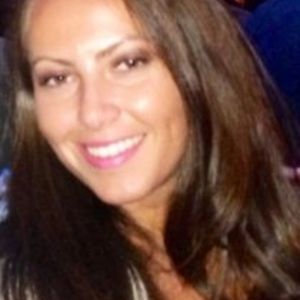
JUDITH

Judith has been a speech-language pathologist since 1993, specializing in speech coaching for professionals and individuals seeking to enhance their communication skills. Her expertise spans accent reduction, voice training, elocution, public speaking, and business communication, empowering clients to present themselves with confidence and clarity.

Since 2015, Judith has helped professionals become dynamic, confident communicators through her holistic approach to corporate communication. She has coached executives and emerging leaders at top organizations including IBM, Bloomberg, Citi, and NASDAQ. Judith’s coaching approach focuses on developing powerful voices, enhancing speech clarity, and adapting seamlessly across communication contexts. She specializes in improving public speaking, meeting skills, and workplace communication, teaching practical strategies that elevate presence and authenticity. She understands that how you speak often carries more weight than the words themselves.

Judith’s extensive experience also includes working with adults in clinics, rehab centers, and private settings, as well as coaching professionals to improve workplace communication.

Her innovative “Sounds in Motion” program, implemented in schools, used a multi-sensory approach to boost speech development and fluency. Judith’s approach to coaching is enriched by her background in singing, movement, acting, improv, and public speaking. She believes that integrating these elements makes learning enjoyable and results in deeper, more lasting improvements in communication skills.

Judith is a member of VASTA (Voice and Speech Trainers Association), CORSPAN (Corporate Speech Pathology Network), and ASHA (American Speech-Language-Hearing Association).

Location: Remote

Types of Services:

  • Individual and group speech coaching for adults (accent reduction, vocal development, public speaking, business communication)
  • Communication assessments

Expertise: Accent modification, stuttering, public speaking, voice training, business communication skills, and confidence-building for individuals with Asperger’s and autism

Gehan A.
M.S., CCC-SLP, TSSLD
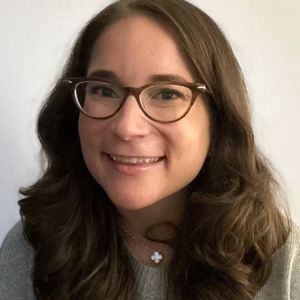
Gehan A.

Gehan is a dedicated Speech language pathologist with a Master’s degree in Communication Sciences and Disorders from Adelphi University. She specializes in voice therapy for adults, helping clients enhance their vocal presence for public speaking, performance, and everyday communication.

With a strong commitment to inclusivity and affirming care, Gehan offers specialized transgender voice therapy, providing both individual and group sessions tailored to male-to-female and female-to-male voice habilitation. Gehan’s work empowers clients to align their voice with their gender identity in a healthy, authentic, and sustainable way.

In addition, Gehan supports public speakers through vocal habilitation—focusing on vocal health and expressive voice use. Her clinical expertise also includes fluency intervention, articulation therapy, and accent modification, helping clients build clarity and confidence in all areas of communication.

Whether working with professionals, performers, or individuals on a personal journey, Gehan brings compassion, clinical skill, and a deep passion for helping others find and express their true voice.

Location: Remote

Expertise: Voice therapy for adults, public speaking support and vocal presence for performance and communication, transgender voice therapy (MTF and FTM voice habilitation – individual and group sessions), vocal habilitation including vocal health and expressive voice use, fluency intervention, articulation therapy, and accent modification.

Karen M.
M.S., CCC-SLP, TSSLD
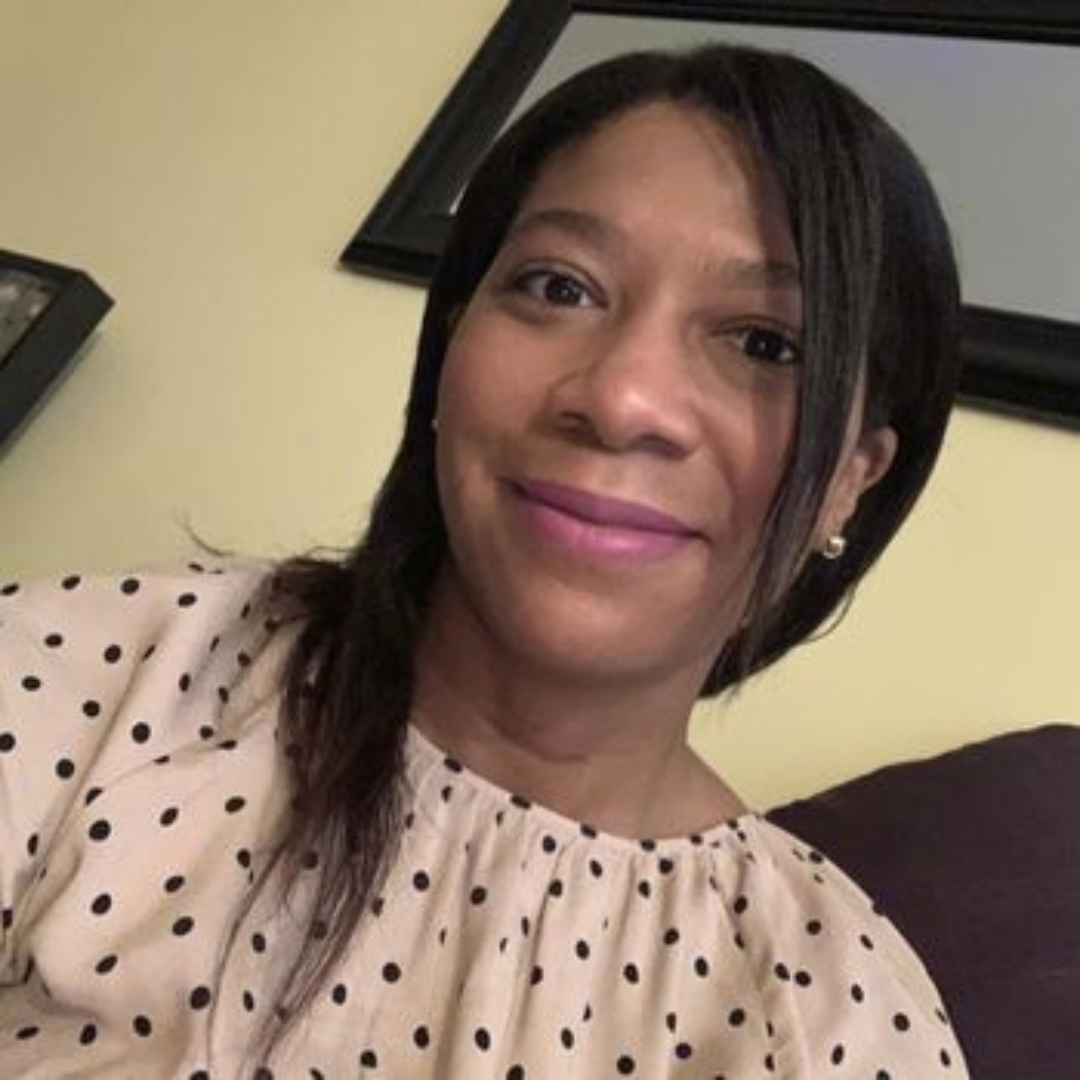
Karen

Karen holds a master’s degree from the University of California at Long Beach and a Certificate of Clinical Competence in Speech-Language Pathology (CCC-SLP) from the American Speech-Language-Hearing Association (ASHA). Before relocating to New York City, she owned and operated a private practice in Silicon Valley, California.

Karen specializes in public speaking coaching, helping clients enhance their confidence, voice quality, intonation, and vocal strength. She provides expert guidance to professional speakers, corporate executives, and audiobook narrators, assisting them in refining their pronunciation, presentation style, and audience engagement.

Her coaching is tailored for individuals transitioning from small corporate meeting rooms to large indoor and outdoor venues, ensuring they develop the skills needed for effective and dynamic presentations. She also trains clients in stress management techniques, helping them overcome public speaking anxiety while fostering stronger audience connections.

Karen’s approach is designed to empower speakers with the skills and confidence necessary to deliver impactful, engaging, and memorable presentations.

Location: Remote

Experience: Adult Articulation Disorders, Adult CVA , Adult language disorders, executive functioning difficulties, voice disorders , chronic cough, Parkinson’s and social/pragmatic difficulties.

FREE CONSULTATION!!!
Call & Text: (917) 426-8880
Email: queens@brooklynletters.com
(we respond to email right away!)

Queens Letters is owned and operated by

Brooklyn Letters