As Featured In:







Our Speech Language Pathologists Come to Your Queens, NYC Home! | Top In-Person Private Pay Expressive Language Disorder Therapy | Free Consultation and Meet & Greets With Our Staff
QUEENS, NY NEIGHBORHOODS
Long Island City (LIC)
Astoria
Ditmars Steinway
Sunnyside
Woodside Elmhurst
Jackson Heights
Corona
Ridgewood
Forest Hills
Kew Gardens
Flushing
Bayside
Fresh Meadows
Little Neck
Douglaston
Glen Oaks
Floral Park
Bellerose and more!
Our Speech-Language Pathologists and Therapists
We travel to you and we also offer remote services. Some of our speech-language pathologists are trained in the Orton Gillingham approach. Many of our speech-language pathologists are trained in literacy and offer support with decoding, spelling and reading fluency services. Our speech-language pathologists and therapists work with babies, toddlers, school-age students, and adults with expertise in:
Our Speech-Language Pathologists and Therapists
We travel to you and we also offer remote services. Some of our speech-language pathologists are trained in the Orton Gillingham approach. Many of our speech-language pathologists are trained in literacy and offer support with decoding, spelling and reading fluency services. Our speech-language pathologists and therapists work with babies, toddlers, school-age students, and adults with expertise in:
- Pronunciation
- Enunciation
- Articulation
- Expressive Language Disorder
- Writing & Speaking Therapy
- Comprehension- Listening & Reading
- Listening Comprehension
- Auditory Processing
- Vocabulary
- Teens – Language Therapy
- Stuttering
- Feeding
- Oral Motor
- Voice
- AAC
- Adult Speech Therapy
- Public Speaking
- Accent Reduction Modification Speech Therapy
Training/Certifications

Training/Certifications





Language is the foundation for speaking, listening, reading, and writing.
What is expressive language therapy? Expressive language therapy is used to support children who struggle to use words and language appropriately to express their thoughts and feelings. We evaluate, treat, and remediate underlying language skills. Underlying language skills include sound, vocabulary, and grammar development; these skills significantly affect how we talk, listen, and how we learn to read and write. Read SPELLTalk questions and answers about the language literacy network– which represents normal reading and writing processes.
Our analysis will target where your child is having difficulty with his or her speech and language development. Pinpointing the underlying difficulties is critical for effective treatment. Learn what is the link between executive functioning and language. Download our Free What is Executive Functioning Pamphlet!
In addition to Language Processing Expressive & Receptive Therapy, we provide speech therapy for all ages.

School age students with oral language problems typically omit information when they speak, e.g. word or phrase, have difficulty retrieving words or ideas, convey a general message (have a hard time being specific), have a less diverse vocabulary (including verbs), speak shorter utterances, use less complex sentences, make more grammatical errors, take more time to speak, pause a lot, repeat words or phrases (e.g. “but he but he,” etc.), frequently revise what they say (“and so, um, they he and so but they couldn’t give him a name”).
We are trained to work with students who have an expressive language delay or disorder, students with a mixed expressive-receptive language delay or disorder, and students with language learning difficulties.
Students with high IQs are prone to language difficulties, particularly reading comprehension and expressive writing difficulties. We also provide reading comprehension tutoring as well as writing and speaking intervention to help students improve their language and communication skills.
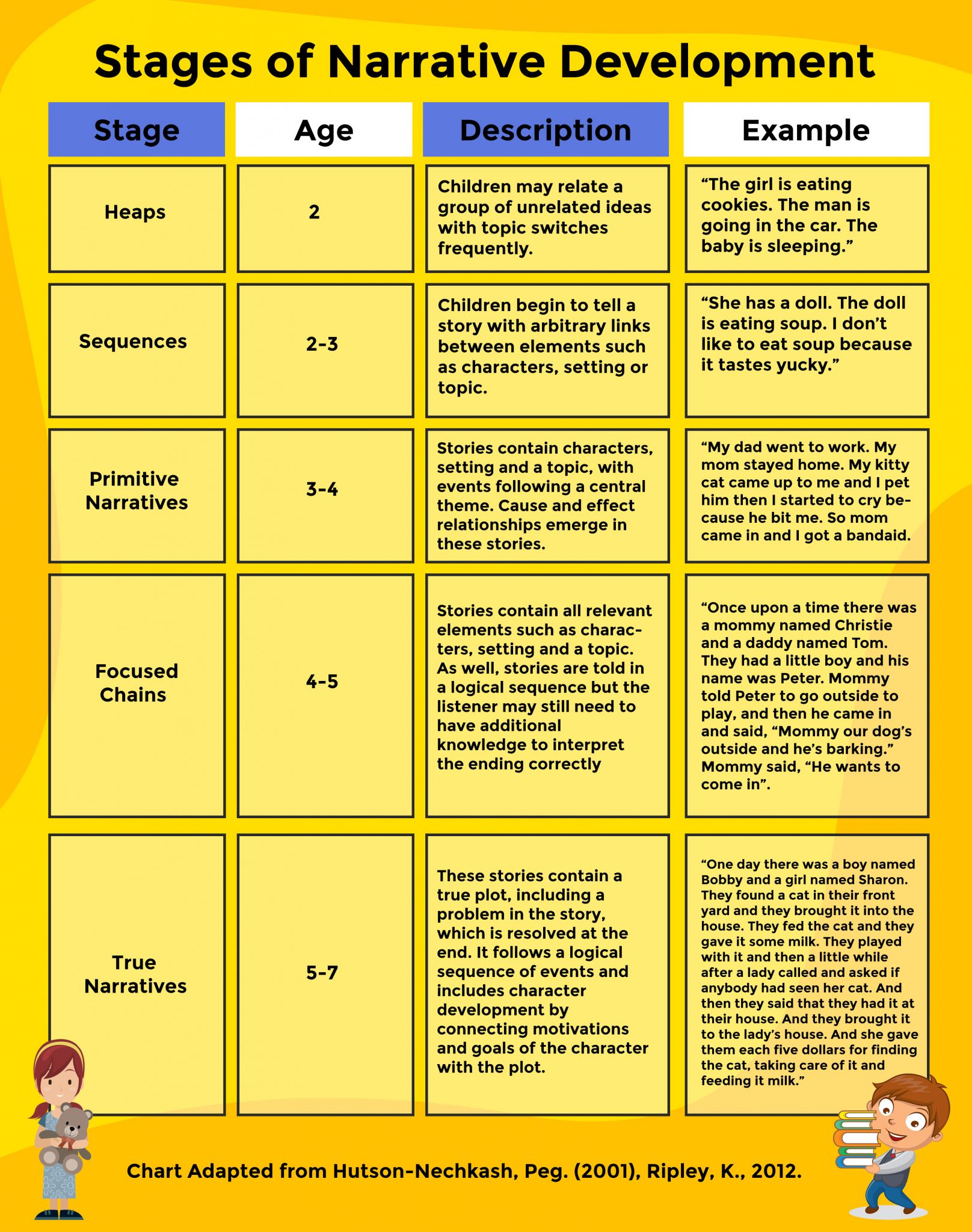
Another aspect of communication we give focus on is acquiring narrative skills. Narrative development is crucial as children expand their communication skills, such as expressing and describing stories, experiences, and previous events that go beyond the present context. It is also directly correlated with a child’s success in school and academic achievement.
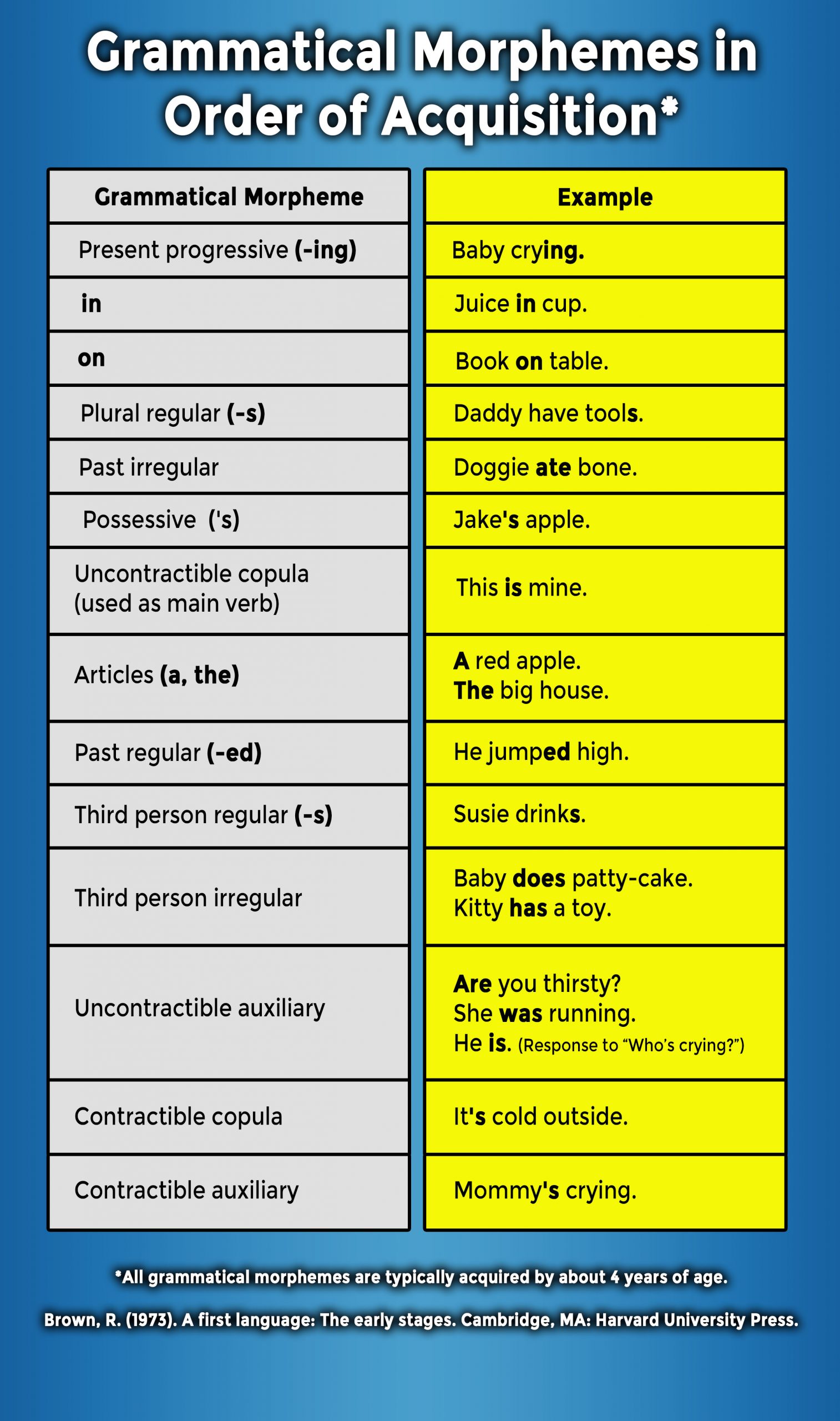
Young children typically acquire all grammatical morphemes by age four (see chart below). But for children struggling with narrative skills or showing other signs of an expressive language disorder, parents may notice obvious delays or missing aspects in their language skills.
Another condition is Social Communication Pragmatic Disorder (SCPD). Learn more about social communication pragmatic disorder, its symptoms, causes, and strategies parents can employ to support their child with this disorder.
Narrative Development in Children
According to research, narrative development can play a significant role in determining a child’s later success in school and literacy. This is because narration and relaying a previous experience allows the child to communicate and use language beyond the present context or the “here and now.” This determines the child’s grasp of linguistic structure and words chosen. But what exactly is narrative development? And how do you know your child’s progress is appropriate for his or her age?
A child’s narrative skills refer to his or her ability to use language in telling or communicating a story. As children develop their narrative skills, they learn to follow the rules of story-telling. This involves sequencing of events, organization, introducing characters, establishing the plot or main idea, and taking perspectives.
Narrative skills are first developed and introduced in very young children through storytelling or bedtime story sessions with their parents. By listening to stories and being exposed to story-telling, children begin to understand and develop narrative structure. In most cases, children with language impairments or conditions struggle with comprehending and executing narratives. Read about the validity of an online oral narrative task (2023 study). The assessment task was developed to monitor children’s oral language progress in their first year at school as part of the Better Start Literacy Approach for early literacy teaching.
Find out more about the Stages of Narrative Development.
EXPRESSIVE LANGUAGE DISORDER
Problems with narrative development is a tell-tale sign of an expressive language disorder. Unlike speech sound disorders, which involve difficulties in producing spoken sounds, language disorders refer to problems using spoken language compared to peers. These expressive problems manifest in at least one of these areas: spoken vocabulary, complexity of what the child is saying (grammar), and social use of words (pragmatics). These issues become more apparent when children, older than 4 years of age, have difficulties telling stories and making friends.
Expressive Language Disorder are classified as two types:
Mixed Receptive-Expressive Language Disorder – Difficulty with comprehension or understanding the words or complexity of what the individual understands compared to peers and has an expressive language disorder.
Expressive Language Disorder – Receptively, the individual is age appropriate but there are significant issues expressing oneself compared to peers.
There is no such thing as just a receptive language disorder. If a child is misdiagnosed with this label, either the child has significant attentional difficulties or the child’s expressive language skills were not thoroughly assessed. Speech language pathologists are the best professionals to thoroughly assess expressive language skills.
Spoken or expressive language disorder is a lifelong condition and appears in early childhood. It is often developmental in nature but may also be caused by traumatic brain injury. An individual with expressive language disorder exhibits normal comprehension skills but has difficulty with written and/or verbal expression. This can impair academic achievement and make it more difficult to socialize in groups with peers.
Signs of an Expressive Language Disorder
Depending on the age, linguistic development, and affected language domains, the signs of an expressive language disorder can vary among individuals. In children, these symptoms can manifest in a variety of ways and affect the following language domains:
Phonology – The ability to recognize and work with sounds in spoken language, e.g. rhyming or playing around with sounds.
Syntax – Another word for grammar.
Morphology – A specific type of grammar dealing with units of words called morphemes.
Semantics – Vocabulary.
Pragmatics – Using appropriate language (including nonverbal communication) in social situations and daily interactions. Learn more about social communication disorder.
In many cases, signs of an expressive language disorder may not be obvious to parents and teachers. In some cases, signs and behaviors may not directly imply a language problem. Children with an expressive language disorder may:
- have less developed vocabulary than their peers
- often say fillers like “um,” “uh,” and “huh”
- have no problems with understanding, but struggle with speaking, asking questions, or answering
- use short phrases or sentences or say the same words or phrases over and over;
- struggle with telling stories
- for toddlers, relies on using gestures
- lack intonation and modulation when talking
- shy away from conversation and avoid social situations or group interactions
- may say a lot but not make much sense
Signs of a child who needs expressive language therapy:
- Difficulty naming items and objects.
- Does not link words together or may use sentences that are shorter than those used by children of the same age.
- Uses sentences that are not grammatically correct and, therefore, can sound immature.
- May use jargon (made-up words) when talking.
- Speaks in sentences that are ‘jumbled’ (i.e., words are in the wrong order, lots of stopping and starting, creating a lack of flow).
- Can be misunderstood by unfamiliar people.
- May have difficulty finding the correct words to use when describing something or having a conversation. The child may use techniques such as ‘circumlocution’ (talking around the word) or a word with a similar meaning to help them express themselves.
Diagnosing an Expressive Language Disorder
As with all speech or language disorders, it is always important to first ensure that there are no hearing issues affecting language development. A hearing assessment by an audiologist is necessary to rule out any issues with hearing (ears). Even undetected ear infections can interfere with acquiring language in younger children.
To get your child diagnosed with an expressive language disorder, a speech-language pathologist (SLP) must do a thorough evaluation. A comprehensive assessment must be conducted with the help of the child’s family and teachers. This evaluation process includes both informal and formal assessments. Formal evaluation comes in the form of standardized tests, while informal evaluation involves interviews, observations, checklists, and language samples.
While both types are essential in providing accurate diagnosis and appropriate treatment goals, it is the language sample that provides a clearer picture of the child’s language abilities and conversational skills. Through language sampling, an SLP is able to gain better understanding of the child’s strengths and weaknesses with regards to the key language areas or domains mentioned above.
Our SLPs at Brooklyn Letters conduct language sampling in order to accurately diagnose and assess the needs of your child using the Systematic Analysis of Language Transcripts or SALT program. The typical expressive language development in young children, aged 12 months to 47 months onwards, is outlined in the Acquisition of Sentence Forms Within Brown’s Stages of Development. This framework is an invaluable tool used by SLPs in conducting a structural analysis of a language sample.
(Related: Find out more about language sampling in this article on the Structural Analysis of a Language Sample.)
Read more about:
- Acquisition of Pronouns
- Pragmatics Milestones
- Expressive Vocabulary
- Questions Answering and Asking Milestones
- Language Development Milestones (birth- 60 months)
During this phase, speech language pathologists will need to know the child’s:
- full case history (including birth and medical records; history of language, speech, reading, or academic difficulties in the family; languages or dialects spoken at home; and, the family’s and teacher’s own observations and concerns)
- spoken language skills (phonology and phonological awareness, semantics, morphology, syntax, and pragmatics)
- level of reading and writing (if the child is school age)

How to Treat an Expressive Language Disorder
Once a diagnosis is made, the SLP will conduct further analysis and observations before creating an individualized program. However, it is important to remember that therapy will not offer a permanent “cure” for the disorder. Instead, SLPs can equip children with strategies and techniques to help them manage their condition.
Therapy methods can vary, depending on the therapist and the child’s needs. Modeling target behavior is one technique where the therapist models and reinforces aspects of speech that need to be targeted, such as sounds, vocabulary, and grammatical structure.
Some areas that SLPs address are:
For elementary school children (ages 5 to 10)
- enhancing phonological awareness
- improving understanding and depth of vocabulary
- understanding figurative language and ambiguities (words with multiple meanings, ambiguous sentence structures)
- paraphrasing information and comprehension
- using more advanced morphology (prefixes, suffixes)
- formulating more complex sentence structures
- judging and correcting grammar and morphological errors
- using language to convey politeness, persuasion, and clarification
- increasing knowledge and skills on a discourse level
- making contributions to discussions and repairing conversational breakdowns
- learning what and what not to say and when and when not to talk
- Narrative Intervention: Principles to Practice
- Sketch and Speak: An Expository Intervention Using Note-Taking and Oral Practice for Children With Language-Related Learning Disabilities
- Looking at Expository Discourse Across the Grade Levels
- Expository Discourse Intervention for Adolescents With Language Disorders
Check out our rates here!Check out our rates here!

MEET OUR QUEENS, NY SPEECH LANGUAGE THERAPISTS AND PATHOLOGISTS WHO TRAVEL TO YOUR HOME
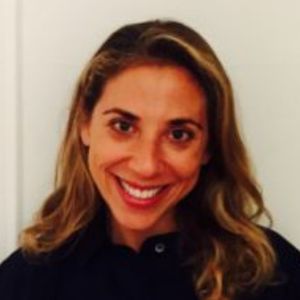
Stefanie S.
MS, CCC- SLP, SPEECH LANGUAGE PATHOLOGIST
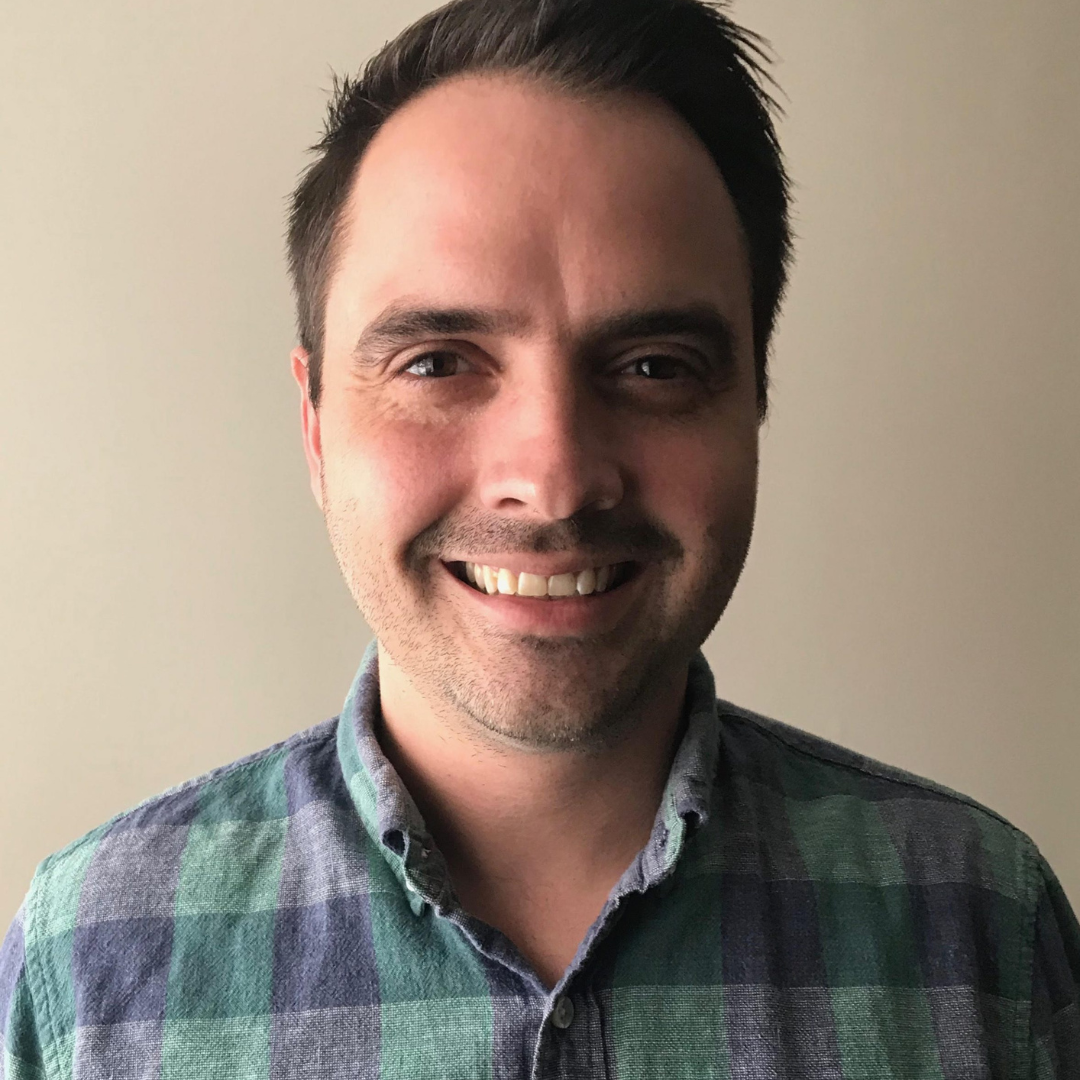
Ben I.
M.S., CCC- SLP, TSSLD, SPEECH LANGUAGE PATHOLOGIST
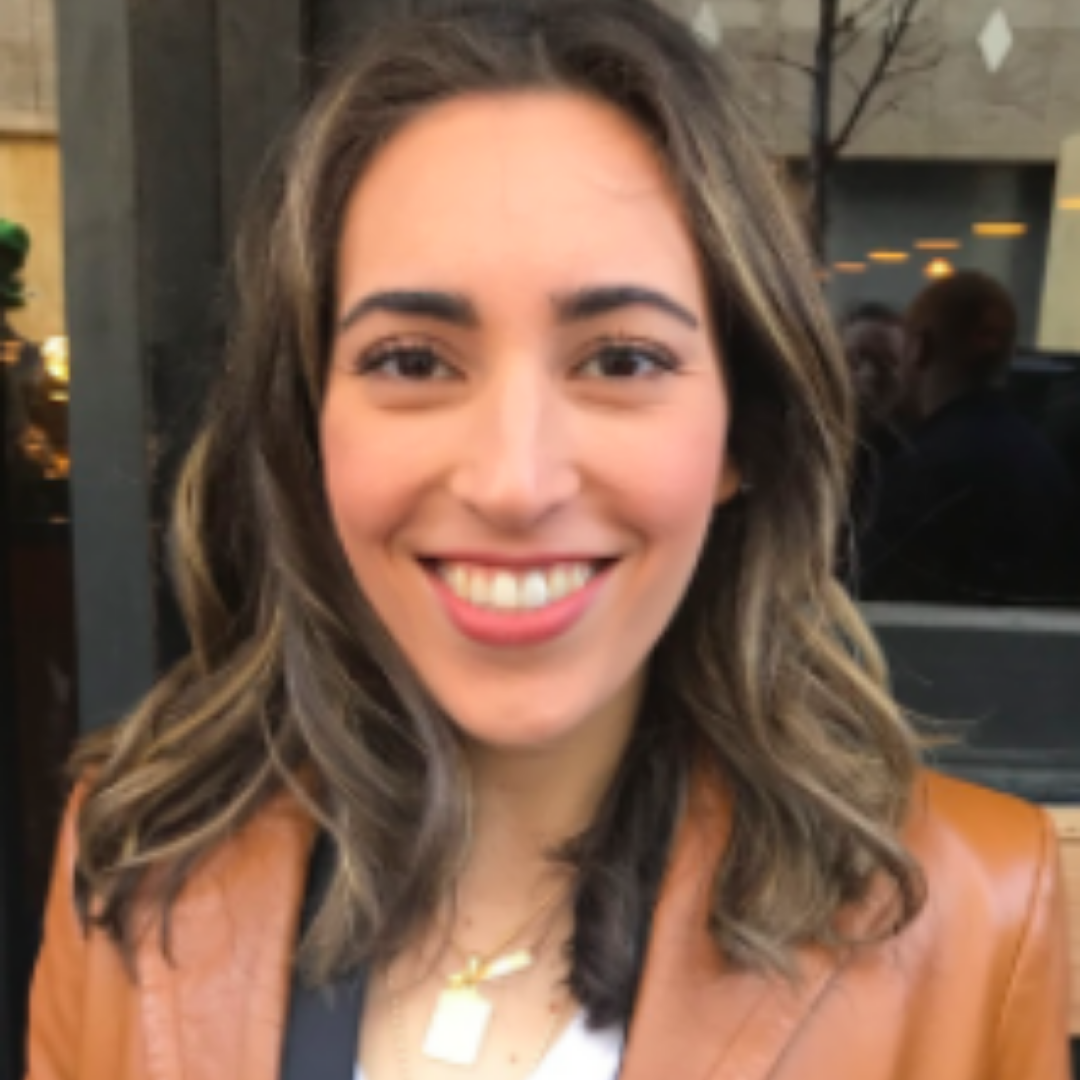
Briana I.
M.A., CCC-SLP, TSSLD
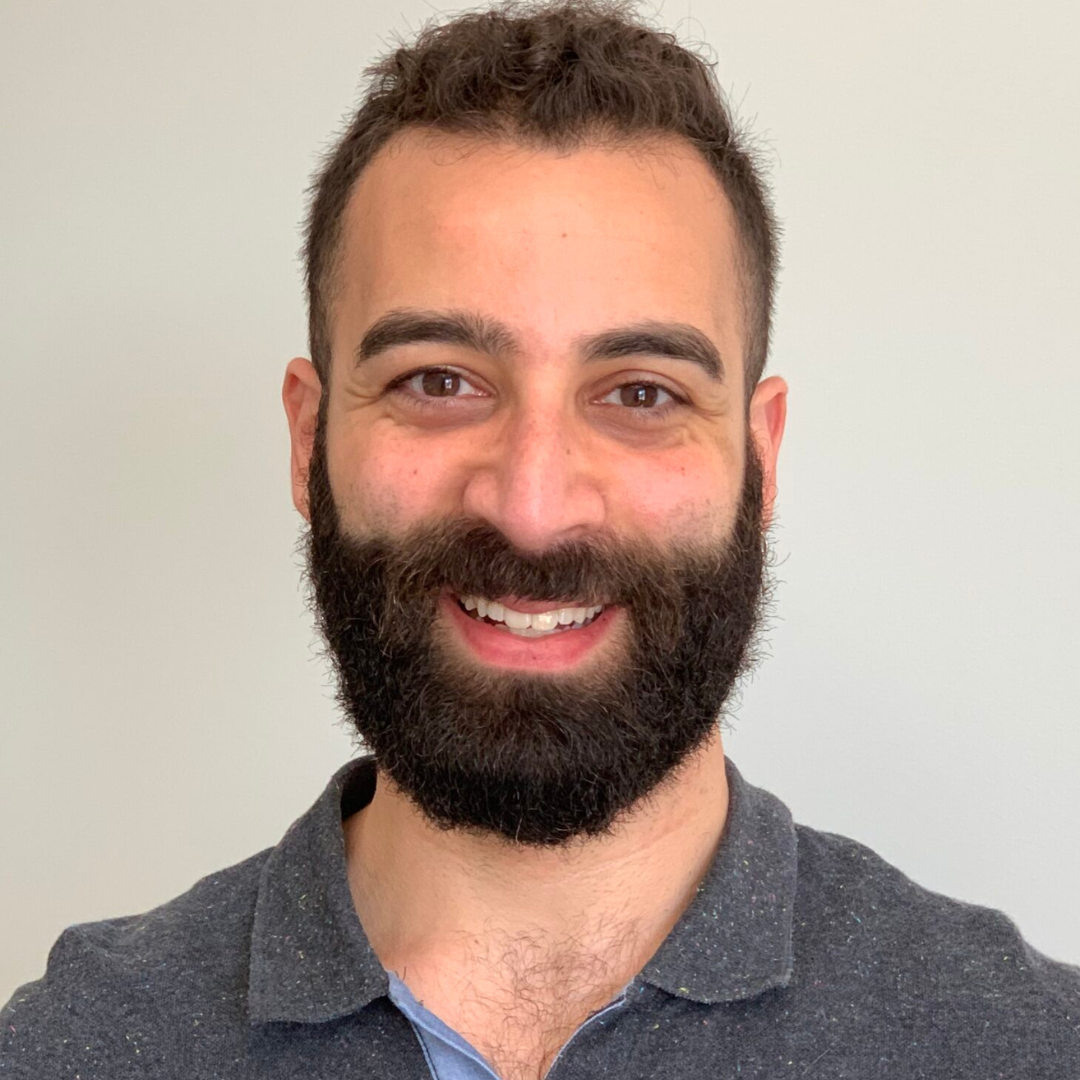
Max
Ph.D., CCC-SLP, TSSLD
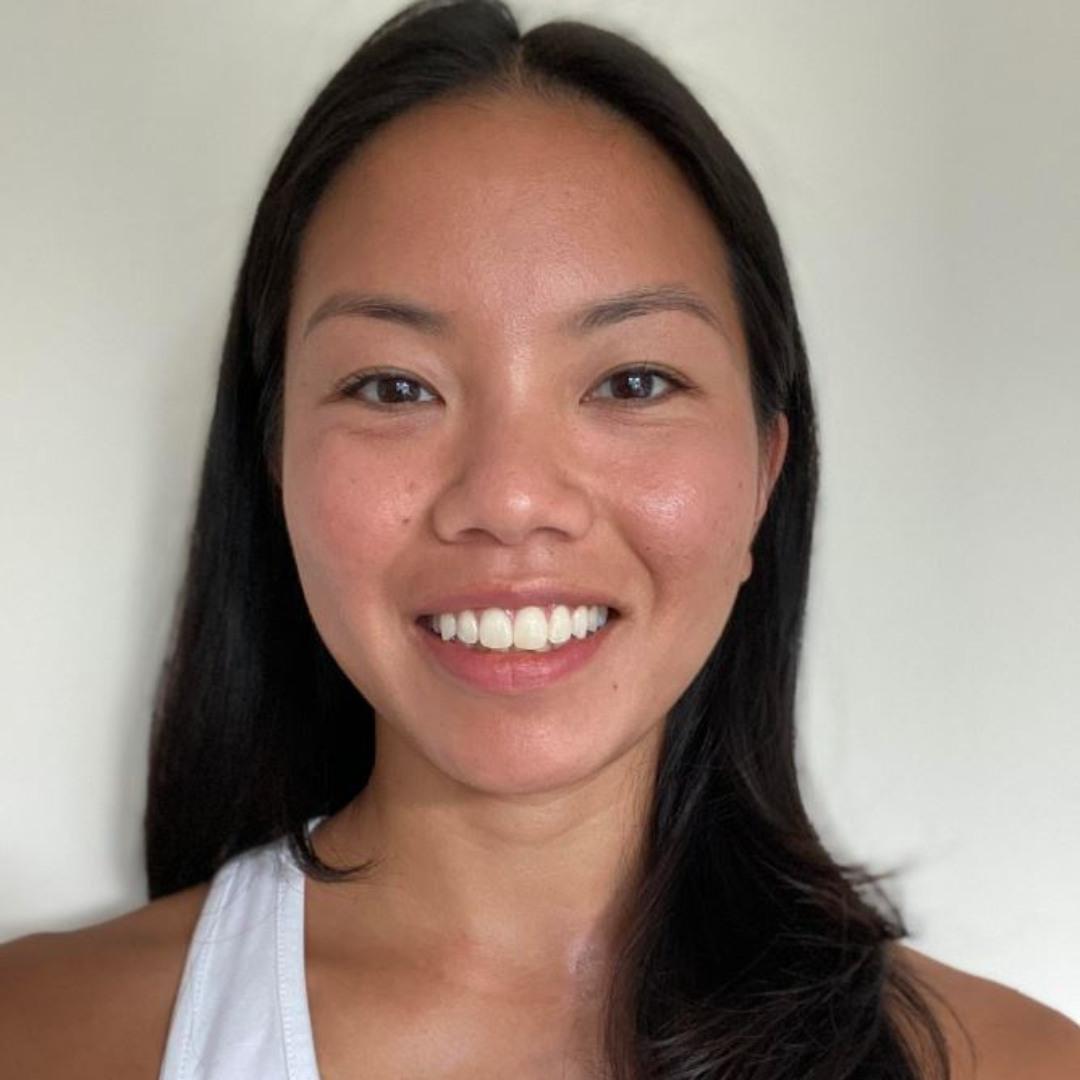
Diahann
New York State licensed Speech-Language Pathologist
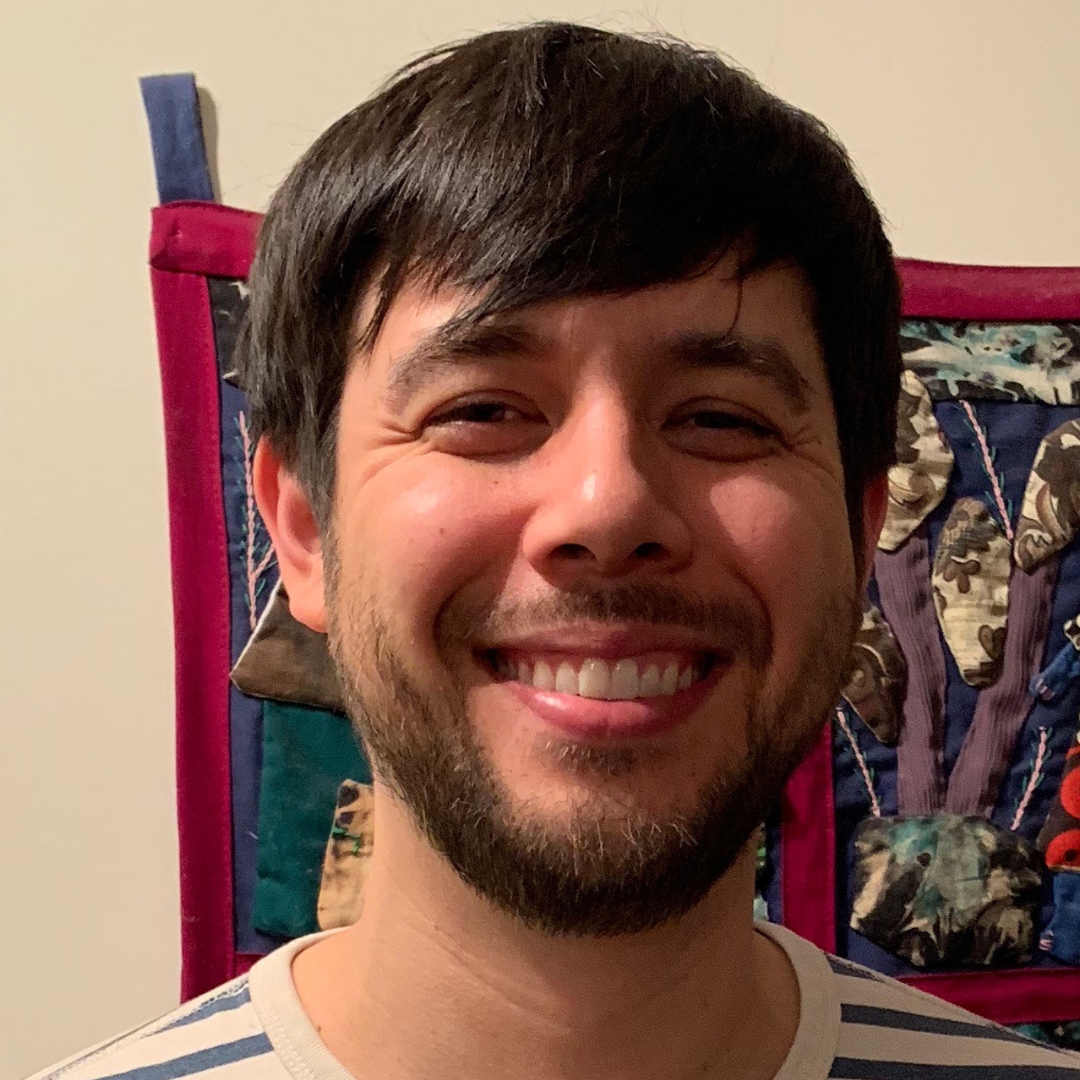
Theo W.
M.S. CCC-SLP, Speech Language Pathologist
Marcy G.
M.S., CCC-SLP, TSSLD, SPEECH-LANGUAGE PATHOLOGIST
FREE CONSULTATION!!!
Call: (347) 394-3485,
Text: (917) 426-8880
Email: [email protected]
(we respond to email right away!)