QUEENS VOICE THERAPY FOR KIDS

QUEENS, NYC VOICE THERAPY FOR KIDS
As Featured In:








Speech-Language Pathologists Provide In-home Services in Queens, NYC!| Best In-Person and Remote Private Pay Voice Therapy for Kids | Free Consultation and Meet & Greets With the Professionals We Work With
WE TRAVEL TO YOU THROUGHOUT QUEENS:
Astoria, Auburndale, Bayside, Bayswater, Beechhurst, Belle Harbor, Bellerose, Breezy Point, Briarwood, Cambria Heights, College Point, Corona, Douglaston, East Elmhurst, Edgemere, Elmhurst, Far Rockaway, Floral Park, Flushing, Forest Hills, Forest Park, Fresh Meadows, Glendale, Hamilton Beach, Hillcrest, Hollis, Hollis Hills, Holliswood, Howard Beach, Hunters Point, Jackson Heights, Jamaica, Jamaica Estates, Jamaica Hills, Kew Gardens, Kew Gardens Hills, Laurelton, Lefrak City, Lindenwood, Little Neck, Long Island City, Malba, Maspeth, Meadowmere, Middle Village, Neponsit, North Corona, Oakland Gardens, Ozone Park, Pomonok, Queens Village, Rego Park, Richmond Hill, Ridgewood, Rockaway Park, Rosedale, Roxbury, South Jamaica, South Ozone Park, Springfield Gardens, Steinway, Sunnyside, Utopia, Whitestone, Willets Point, Woodhaven, Woodside.
Speech-Language Pathologists and Clinicians We Work With
Services are provided in-home and remotely. Some of the speech-language pathologists we work with are trained in the Orton Gillingham approach. Many of the speech-language pathologists we work with are trained in literacy and offer support with decoding, spelling and reading fluency services. The speech-language pathologists we work with work with babies, toddlers, school-age students, and adults with expertise in:
We also support families pursuing homeschooling for K–5 students, offering personalized in-home or remote instruction tailored to each child’s learning style and needs.
Speech-Language Pathologists and Clinicians We Work With
Services are provided in-home and remotely. Some of the speech-language pathologists we work with are trained in the Orton Gillingham approach. Many of the speech-language pathologists we work with are trained in literacy and offer support with decoding, spelling and reading fluency services. The speech-language pathologists we work with work with babies, toddlers, school-age students, and adults with expertise in:
- Pronunciation
- Enunciation
- Articulation
- Expressive Language Disorder
- Writing & Speaking Therapy
- Comprehension- Listening & Reading
- Listening Comprehension
- Auditory Processing
- Vocabulary
- Teens – Language Therapy
- Stuttering
- Feeding
- Oral Motor
- Voice
- AAC
- Adult Speech Therapy
- Public Speaking
- Accent Reduction Modification Speech Therapy
We also support families pursuing homeschooling for K–5 students, offering personalized in-home or remote instruction tailored to each child’s learning style and needs.
Training/Certifications


Training/Certifications




WHAT IS PEDIATRIC VOICE THERAPY?
Queens voice therapy for kids supports healthy, clear, comfortable voice use for communication, classroom participation, and everyday activities. Licensed pediatric speech-language pathologists provide structured, age-appropriate support for children whose voices sound hoarse, breathy, strained, unusually soft, or difficult to sustain.
We provide in-home voice therapy throughout Queens, with remote options available when appropriate. Sessions can support children when families notice an early concern, want to maintain healthy vocal habits proactively, or seek stronger voice skills for singing, speaking, and other advanced communication demands.
What This Service Is
Queens voice support develops healthier, more effective voice use for communication, classroom participation, and everyday speaking.
Queens Letters provides individualized support for children whose voice quality, volume, pitch, vocal effort, or speaking habits may benefit from structured guidance. Sessions can also help children develop effective voice habits proactively as communication demands increase.
Support is delivered in the home whenever appropriate, allowing specialists to work with children in a familiar setting and help families understand how useful voice habits can carry into daily routines.
Queens Letters focuses on speech language, literacy, and math intervention that is proactive, early, and enrichment oriented academic and speech language support.
When Families Seek This Support
Queens families seek voice support for early concerns, proactive development, and stronger communication as children’s speaking demands grow.
Families may begin exploring support when a child’s voice regularly sounds hoarse, strained, unusually quiet, unusually loud, or difficult to sustain comfortably. A teacher, pediatrician, or other professional may also notice that voice use is affecting classroom communication.
Support does not need to begin only after a significant concern develops. Many Queens families begin support early rather than waiting. Proactive support can help children develop useful communication habits and prevent gaps from developing as school and social demands increase.
Advanced learners and highly verbal children may also benefit when stronger vocal control, projection, presentation skills, or confident classroom communication would support continued growth.
How It Works
In-home voice support allows individualized instruction to connect directly with a child’s everyday speaking environment and communication needs.
Queens Letters works directly with families in Queens homes to understand the child’s communication patterns, family priorities, and school-related speaking demands. Support may address voice awareness, efficient voice use, appropriate volume, vocal habits, and strategies for communicating comfortably and effectively.
The in-home model also gives families practical ways to reinforce useful strategies between sessions. Remote options are available when appropriate.
When Children Benefit
Voice support can serve children with emerging concerns, proactive goals, or advanced communication needs.
Families generally seek support for three types of situations:
- Early concerns: A child’s voice sounds persistently hoarse, strained, weak, unusually loud, or otherwise different from expected voice use.
- Proactive support: Families want to establish effective communication habits early, maintain progress, or prevent gaps from developing.
- Enrichment: A child is ready to strengthen projection, vocal control, presentation skills, or confident communication for increasingly demanding school settings.
This approach supports communication and school readiness without making a diagnosis the starting point for every family.
Why Queens Families Choose This
Queens Letters provides premium in-home support designed around children’s communication, learning, and everyday family environments.
Queens families often prefer support delivered in the home because children can work in a familiar setting without traveling to a learning center. In-home support also helps specialists understand how communication skills function within everyday routines.
Queens Letters serves families throughout Queens, including Forest Hills, Rego Park, Kew Gardens, Fresh Meadows, Bayside, and surrounding neighborhoods. The service reflects the borough’s academically diverse public and private school environments while keeping instruction individualized to each child.
Families often seek to maintain strong academic progress over time. Strong speech and language skills can support classroom participation, oral presentations, conversations with teachers and peers, and broader school readiness.
What Does Pediatric Voice Therapy Involve?
Voice therapy for kids is always play-based, developmentally appropriate, and engaging. It utilizes kid-friendly tools and games to help children:
- Breathe correctly using their diaphragm
- Produce sound with less effort and tension
- Improve pitch and volume control
- Practice healthy voice use through fun activities
- Avoid harmful habits like yelling or excessive throat clearing
Therapy techniques include:
✅ Resonant Voice Therapy – for gentle vocal cord vibration
✅ Stretch and Flow Phonation – to reduce effort and promote smooth voicing
✅ Cup Bubble (Lax Vox) Exercises – playful and effective for kids
✅ LSVT LOUD for Kids – adapted for pediatric clients with neurological conditions like Parkinsonism or CP
✅ Chant Speech and Twang Techniques – to enhance pitch and projection when appropriate
We also teach vocal hygiene tips in ways that make sense to children, like drinking more water (a.k.a. “watering your voice”) and taking “voice naps” throughout the day.

What Are the Types of Voice Therapy and Voice Therapy Exercises?
Treatment for voice disorders or voice therapy is generally categorized as physiologic voice therapy and symptomatic voice therapy. Physiologic voice therapy refers to treatments and voice therapy exercises that directly alter the physiology of one’s vocal mechanisms and aims to balance the three systems of voice production, which are respiration, phonation, and resonance.
Examples of physiologic voice therapy include:
- Accent Method
- Cup Bubble / Lax Vox
- Stretch and Flow Phonation
- Lee Silverman Voice Treatment
- Resonant Voice Therapy
- Phonation Resistance Training Exercise, to name a few.
On the other hand, symptomatic voice therapy is geared towards correcting irregular vocal symptoms. This may include lowering a pitch that is too high (and vice versa) or modifying a voice that is too loud or too soft. Symptomatic voice therapy uses voice therapy exercises that directly modify these symptoms. These techniques include:
- Chant Speech
- Amplification
- Auditory Masking
- Inhalation Phonation
- Glottal Fry
- Posture
- Twang Therapy, among others.
Additionally, preparation is important before going into your voice therapy exercises to address specific vocal conditions. These preparations may include:
- Breathing exercises (exercising your diaphragm or learning to better synchronize your speaking and breathing)
- Relaxation activities to relieve tension
- Posture or movement exercises to improve posture
- Exercises for the mouth and jaw muscles, such as chewing movements or yawning and sighing on purpose
What Is Vocal Hygiene for Kids?
Healthy voice use doesn’t stop when the session ends. Licensed speech-language pathologists help children and families create routines that protect the voice daily. These include:
- Drinking water frequently
- Avoiding screaming or excessive loud talking
- Limiting throat clearing and whispering
- Using amplifiers in large or noisy spaces
- Taking voice breaks during the school day or after playtime
Collaboration also occurs with ENT specialists and pediatricians to manage related concerns like allergies, acid reflux, or asthma.

Voice Rest for Children
In some cases—such as post-infection or injury—a brief period of voice rest may be recommended. This doesn’t mean total silence, especially for younger kids. Instead, families are guided in using nonverbal tools like gesture play, drawing, AAC (Augmentative and Alternative Communication), or visual schedules to support communication while the voice heals.
5 Tips on How to Keep Your Voice Healthy When Teaching Online
What Can Pediatric Voice Therapy Help With?
Voice therapy helps with:
- Chronic hoarseness or raspy speech
- Vocal nodules, polyps, or swelling
- Muscle tension dysphonia
- Vocal cord paralysis or paresis
- Laryngeal inflammation post-infection (e.g., croup, laryngitis)
- Vocal fold dysfunction (PVFM) or breathing-related issues
- Selective mutism or psychogenic voice loss
- Voice differences related to developmental or neurological conditions (e.g., autism, Down syndrome, cerebral palsy)
Why Voice Therapy Is Important for Kids
Voice issues can impact more than just how a child sounds—they can affect learning, social skills, confidence, and emotional regulation. Left untreated, these issues may persist into adolescence and adulthood.
The goal of therapy is not only to restore your child’s voice but also to help them feel confident using it in every setting—whether that’s on the playground, at school, in music class, or just chatting at home.
Pediatric Voice Therapy in Queens, NYC
Brooklyn Letters offers in-home pediatric voice therapy across Queens—whether you’re in Astoria, Forest Hills, Flushing, Bayside, Jamaica, or Long Island City. We also offer virtual therapy, so your child can continue sessions even when traveling or during school breaks.
We understand that every child is unique. The therapists we work with tailor each session to your child’s age, development, interests, and vocal needs, incorporating movement, visuals, and play.
Frequently Asked Questions About Voice Therapy
Is this the same as speech therapy?
Voice therapy is a type of speech therapy. While speech therapy can focus on speech sounds, language, or feeding, voice therapy targets how your child’s voice works, sounds, and feels.
Who provides voice therapy?
All sessions are provided by licensed pediatric speech-language pathologists with training in voice disorders. Many of the clinicians we work with also have experience working in schools and collaborate closely with ENTs and pediatricians.
How long does therapy take?
It depends on the nature of the voice concern. Some children respond quickly with weekly sessions over a few months; others benefit from longer-term support.
Can my child sing again?
Absolutely. In fact, pediatric voice therapy is often sought by young singers who develop hoarseness or strain. We work with them on safe singing techniques and vocal care.
This work is designed for families seeking proactive and enrichment-oriented support, not only for children with clear developmental delays.
Check out our rates here!Check out our rates here!
MEET QUEENS LETTERS SPEECH LANGUAGE THERAPISTS AND PATHOLOGISTS WHO TRAVEL TO YOUR HOME

Karen
M.S., CCC-SLP, TSSLD
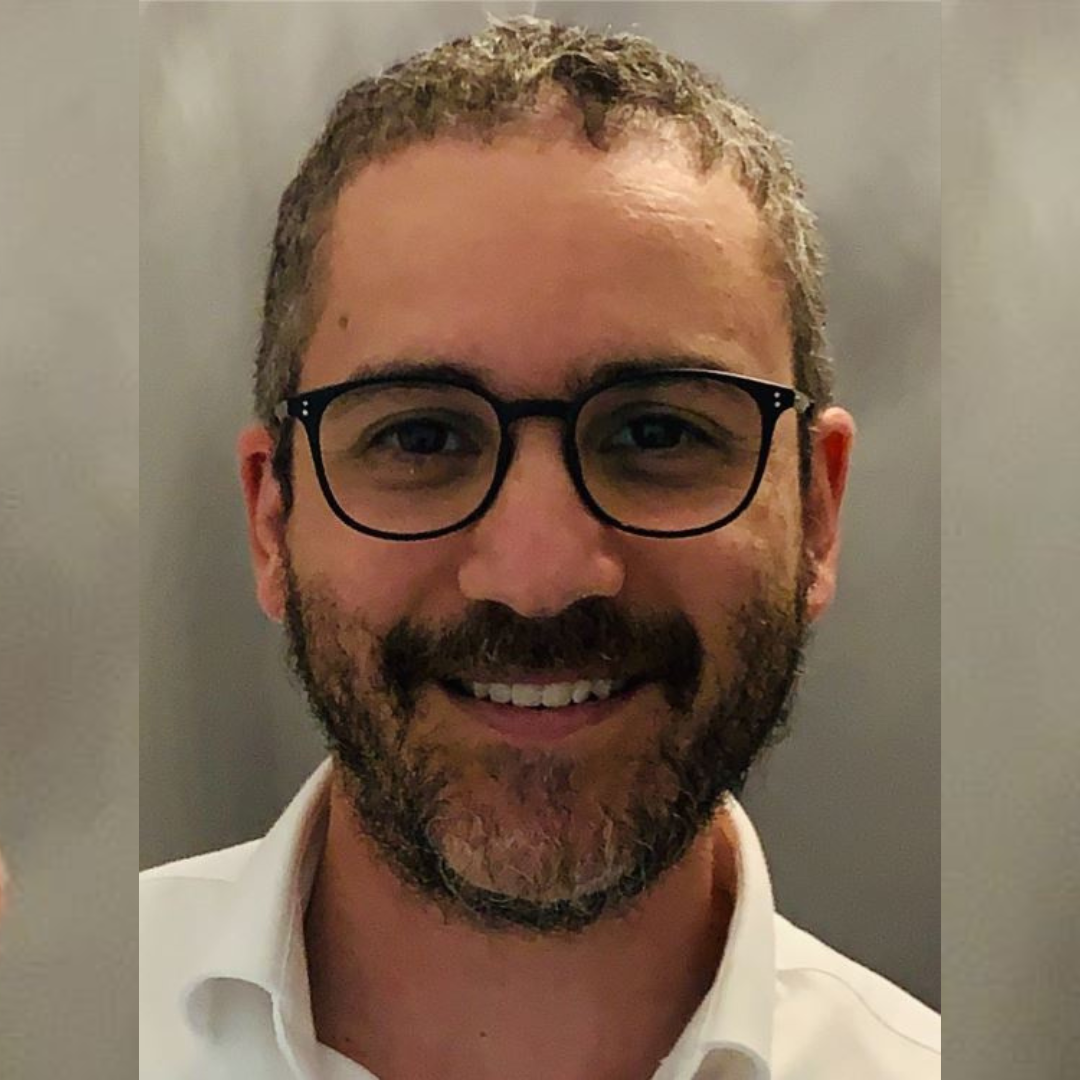
Sholom
MA, CCC-SLP, TSSLD, SPEECH LANGUAGE PATHOLOGIST
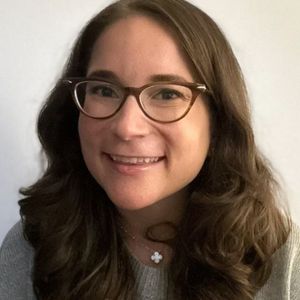
Liza B.
M.S., CCC-SLP, TSSLD, SPEECH LANGUAGE PATHOLOGIST

Max
Ph.D., CCC-SLP, TSSLD
Kathleen E.
SPEECH-LANGUAGE PATHOLOGIST
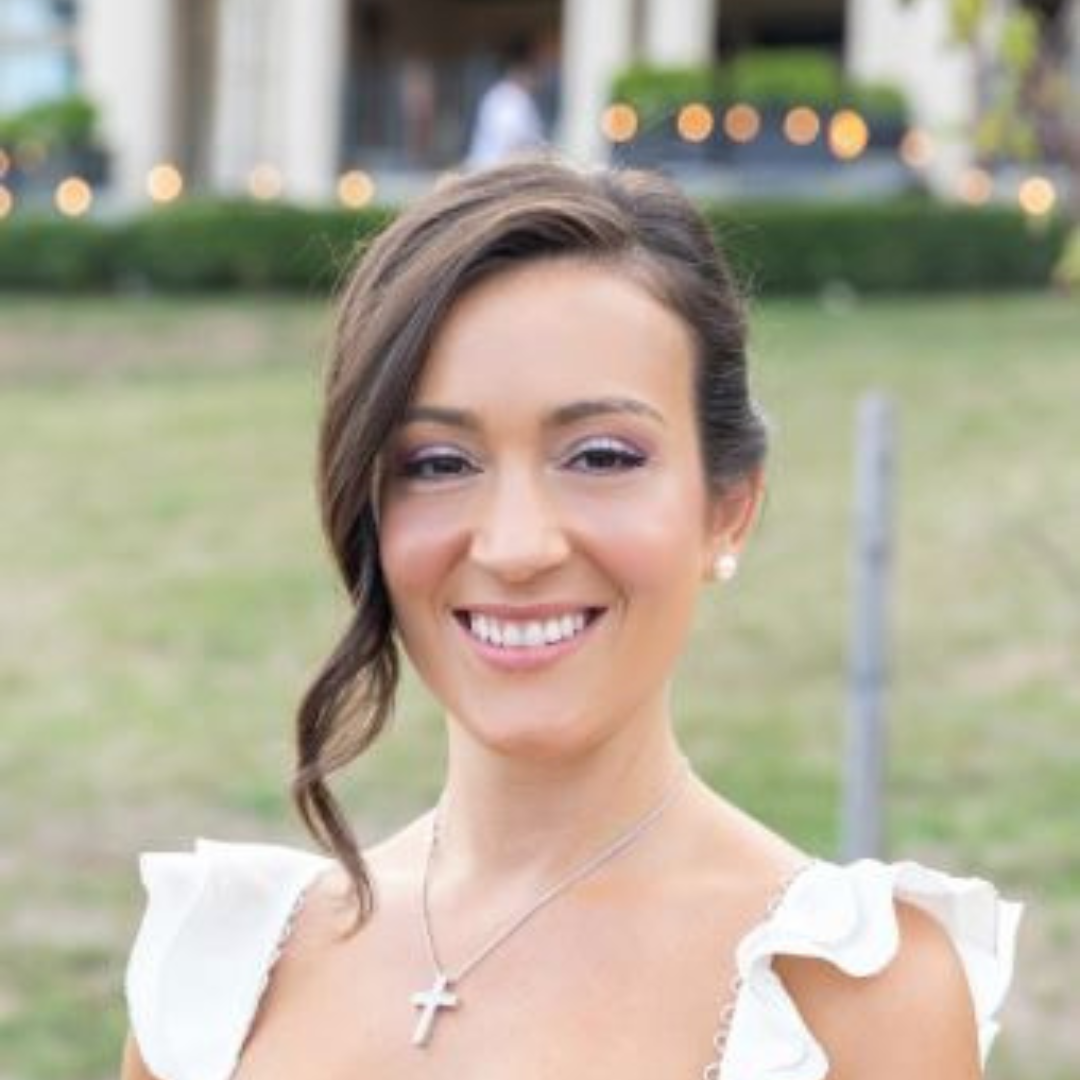
Alexandra C.
M.S., CCC-SLP, SPEECH LANGUAGE PATHOLOGIST
Rachel
M.S., CCC-SLP, TSSLD, QOM
FREE CONSULTATION!!!
Call & Text: (917) 426-8880
Email: queens@brooklynletters.com
(we respond to email right away!)