
IN-HOME SPEECH & LANGUAGE THERAPY IN QUEENS

WE TRAVEL TO YOU THROUGHOUT QUEENS:
Astoria, Auburndale, Bayside, Bayswater, Beechhurst, Belle Harbor, Bellerose, Breezy Point, Briarwood, Cambria Heights, College Point, Corona, Douglaston, East Elmhurst, Edgemere, Elmhurst, Far Rockaway, Floral Park, Flushing, Forest Hills, Forest Park, Fresh Meadows, Glendale, Hamilton Beach, Hillcrest, Hollis, Hollis Hills, Holliswood, Howard Beach, Hunters Point, Jackson Heights, Jamaica, Jamaica Estates, Jamaica Hills, Kew Gardens, Kew Gardens Hills, Laurelton, Lefrak City, Lindenwood, Little Neck, Long Island City, Malba, Maspeth, Meadowmere, Middle Village, Neponsit, North Corona, Oakland Gardens, Ozone Park, Pomonok, Queens Village, Rego Park, Richmond Hill, Ridgewood, Rockaway Park, Rosedale, Roxbury, South Jamaica, South Ozone Park, Springfield Gardens, Steinway, Sunnyside, Utopia, Whitestone, Willets Point, Woodhaven, Woodside.
LANGUAGE THERAPY FOR ADULTS

WE TRAVEL TO YOU THROUGHOUT QUEENS:
Astoria, Auburndale, Bayside, Bayswater, Beechhurst, Belle Harbor, Bellerose, Breezy Point, Briarwood, Cambria Heights, College Point, Corona, Douglaston, East Elmhurst, Edgemere, Elmhurst, Far Rockaway, Floral Park, Flushing, Forest Hills, Forest Park, Fresh Meadows, Glendale, Hamilton Beach, Hillcrest, Hollis, Hollis Hills, Holliswood, Howard Beach, Hunters Point, Jackson Heights, Jamaica, Jamaica Estates, Jamaica Hills, Kew Gardens, Kew Gardens Hills, Laurelton, Lefrak City, Lindenwood, Little Neck, Long Island City, Malba, Maspeth, Meadowmere, Middle Village, Neponsit, North Corona, Oakland Gardens, Ozone Park, Pomonok, Queens Village, Rego Park, Richmond Hill, Ridgewood, Rockaway Park, Rosedale, Roxbury, South Jamaica, South Ozone Park, Springfield Gardens, Steinway, Sunnyside, Utopia, Whitestone, Willets Point, Woodhaven, Woodside.
Best 1:1 Language Therapy for Adults in Queens, NYC | Free Consultations and Meet & Greets with Professionals we work with.
Speech and language therapy for adults in Queens provides individualized support for communication challenges affecting everyday, social, and professional life. Adults may seek support for expressive or receptive language, speech clarity, fluency, voice, social communication, cognitive-communication skills, aphasia, or communication changes associated with neurological conditions.
Some adults begin therapy after a noticeable change in communication, while others seek support for longstanding language or speech needs. Adults may also pursue proactive support to maintain communication skills or strengthen speech, voice, and language for professional and everyday situations.
We provide in-home speech and language therapy throughout Queens, with remote options available when appropriate. Working directly with adults in Queens homes creates a convenient 1:1 setting for personalized communication goals.
As Featured In:







Adults face a variety of language and communication issues that may stem from previous injuries, developmental delays, or neurological conditions. Some individuals may struggle with receptive language delays, finding it difficult to understand spoken or written language. Others may experience expressive language delays, which affect their ability to express thoughts, ideas, and feelings clearly. Adults who have experienced developmental language disorders or language processing disorders may notice ongoing issues with processing and using language effectively. We also offer specialized support for individuals dealing with the challenges of nonfluent agrammatic PPA and navigating the different primary progressive aphasia stages.
Additionally, pragmatic language disorders can impact an individual’s ability to engage in social communication, making it challenging to navigate conversations in both personal and professional settings. These struggles can significantly affect various areas of life, highlighting the importance of speech-language therapy for adults.
At Queens Letters, we offer the best 1:1 language therapy for adults, delivering personalized care directly to your home. With no physical office, we travel to your Queens home or provide remote therapy options, ensuring convenience and flexibility.
Why Queens Adults Choose Queens Letters
Queens Letters provides individualized adult speech-language support through in-home sessions across Queens and remote sessions when appropriate.
1. Expert Speech-Language Pathologists
The highly trained speech-language therapists we work with specialize in working with adults and addressing a wide range of communication challenges, including speech disorders, language disorders, and voice therapy. They have extensive experience with conditions like aphasia, articulation disorders, and cognitive communication therapy. This includes tailored strategies for nonfluent agrammatic PPA and a deep understanding of primary progressive aphasia stages.
2. At-Home Convenience
You do not need to commute to an office or therapy center. In-home support is delivered directly in Queens homes, creating a convenient option for adults with busy schedules, mobility considerations, or a preference for individualized support at home.
3. Tailored 1:1 Sessions
Every 1:1 session is personalized around the adult’s communication needs and goals. Support may focus on speech clarity, pronunciation, accent modification, language processing, voice, fluency, cognitive communication, or communication changes associated with conditions such as primary progressive aphasia.
4. Comprehensive Language Therapy Services
We cover all areas of language therapy, from stuttering therapy to swallowing therapy and social communication therapy. We also offer support for individuals needing help with voice projection and fluency therapy, ensuring every aspect of communication is enhanced.
5. Flexible Therapy Options
In addition to in-home speech and language therapy throughout Queens, remote sessions are available when appropriate. Adults can choose a delivery format that fits their communication goals, schedule, and circumstances.
Queens Letters works directly with adults in Queens homes, including Forest Hills, Bayside, Fresh Meadows, Kew Gardens, Flushing, Rego Park, Jamaica Estates, Whitestone, Douglaston, and Little Neck.
6. AI-powered tools
Our tools provide continuous, personalized support to enhance speech coaching sessions, helping clients practice and refine their communication skills between sessions. From real-time feedback on pacing, filler words, and delivery to simulated scenarios for interviews, presentations, and crucial conversations, these tools boost confidence, accelerate progress, and ensure measurable improvement for long-term communication success. These tools range in cost from as low as $12–$20 per month to as high as $79 per month. While highly recommended, they are not required if you choose to work with us.
How It Works: In-Home and Remote Evaluations
Adult speech-language therapy can begin with an evaluation that identifies communication strengths, needs, and individualized goals.
Our process starts with a comprehensive evaluation in the comfort of your home or through remote assessments. This initial evaluation helps us identify your specific language therapy needs—whether it’s addressing receptive language delays, fluency therapy, or improving speech clarity. We also have experience with assessing the unique characteristics of nonfluent agrammatic PPA. From there, we create a personalized therapy plan to target these areas and help you achieve your communication goals.
Training/Certifications


Training/Certifications


What This Service Is: Speech & Language Therapy for Adults in Queens

Adult speech and language therapy supports communication skills used in everyday, social, and professional situations.
Speech and language therapy for adults may address understanding and expressing language, speech clarity, fluency, voice, social communication, and cognitive-communication skills. Sessions are individualized around each adult’s communication profile and personal goals.
Queens Letters focuses on speech language, literacy, and math intervention that is proactive, early, and enrichment oriented academic and speech language support.
For this adult service, Queens Letters provides individualized speech-language support that can address existing communication needs while also helping adults maintain or strengthen communication skills over time.
When Adults Seek This Support
Adults seek speech-language support for communication changes, longstanding needs, proactive skill development, and professional communication goals.
Adults may consider speech and language therapy when communication becomes more difficult after a stroke, traumatic brain injury, neurological change, or other health event. Support may also be appropriate for adults experiencing aphasia, language-processing difficulties, social communication challenges, articulation concerns, fluency differences, or voice-related goals.
Support does not need to begin only after communication becomes significantly difficult. Some adults seek help early after noticing changes, while others proactively work on maintaining strong communication skills over time.
Adults with strong existing communication skills may also pursue more advanced goals, including speech clarity, voice projection, presentation skills, accent modification, professional communication, or more effective participation in demanding social and workplace situations.
When Adults Benefit From Speech-Language Therapy
Adult speech-language support can address emerging concerns, proactive communication goals, and advanced professional communication skills.
Adults generally seek support for one of three reasons:
- Early concerns: Speech, language, memory, processing, fluency, voice, or social communication has begun to change or interfere with daily communication.
- Proactive support: An adult wants to maintain communication skills, address changes early, or build strategies before communication difficulties become more disruptive.
- Advanced communication goals: An adult wants stronger articulation, presentation skills, voice projection, professional communication, or greater clarity in demanding speaking situations.
Proactive support can help adults address communication changes earlier rather than waiting until those changes substantially interfere with daily, social, or professional communication.
Common Language Disorders in Adults
Adults may experience a range of language disorders, including:
- Aphasia: A language disorder often caused by stroke or brain injury that affects a person’s ability to speak, understand, read, or write.
- Language Processing Disorders: These impact the ability to process spoken or written language, leading to challenges in understanding or producing language.
- Developmental Language Disorders: Some adults may continue to face language issues that develop during childhood, such as challenging communication.
- Pragmatic Language Disorders: It affects social communication skills, making understanding social cues and engaging in conversations difficult.
- Expressive and Receptive Language Delays: Adults with delayed language development may struggle to express their thoughts clearly or understand complex language.
These disorders can significantly impact day-to-day communication, but with the right therapy, adults can overcome these challenges and improve their quality of life. Our expert team is skilled in providing support throughout the different primary progressive aphasia stages.
How 1:1 Speech & Language Therapy Works
One-on-one speech and language therapy allows sessions to focus directly on the communication skills most relevant to each adult’s daily life, relationships, work, and personal goals. In-home support also allows therapy to be delivered in a familiar environment without requiring travel to a learning center or office.
- Personalized Attention: Working directly with a speech-language pathologist ensures that your therapy is customized to meet your specific needs and goals.
- Improved Communication Skills: Therapy focuses on enhancing your ability to express and comprehend language, improving both personal and professional interactions.
- Confidence Building: As communication skills improve, so does self-confidence, making engaging in conversations and public speaking situations easier.
- Tailored Goals: Whether you’re working on improving articulation, voice projection, or addressing speech disorders, 1:1 therapy allows for a focused approach to achieving specific communication goals.
- Cognitive-Communication Support: Sessions may address communication-related memory, attention, organization, and problem-solving strategies when these skills affect everyday communication.
Check out our rates here!Check out our rates here!

Free Intake Process
- Initial Contact and Consultation: Contact us via email, text, or phone, and we’ll respond promptly, any day of the week. We’ll arrange a phone call within one business day to discuss your needs.
- Review: We thoroughly review past reports, evaluations, and report cards to deeply understand the client’s history and the family’s requirements.
- Tailored Assessments: Clients can undergo a detailed educational assessment in literacy and math, which helps identify strengths and areas needing improvement. This allows us to customize sessions for the best possible outcomes. Additionally, our speech-language pathologists provide comprehensive evaluations for individuals of all ages.
- Finding the Right Match: We collaborate closely with clients to determine their specific needs and then carefully select the best professionals for them. We offer detailed profiles of these professionals to assist clients in making well-informed decisions. All the professionals we work with are available for free remote meet-and-greets!
- Expert Professionals: 100% of the professionals we work with are certified speech-language pathologists specializing in language therapy for adults. The therapists we work with are dedicated to helping individuals improve speech clarity, address language disorders, and build confidence in communication. With a strong reputation for client-centered, results-driven care, we provide tailored, evidence-based strategies designed to meet each client’s specific language needs, ensuring personalized support for lasting improvement.
We ensure that all reports and communications are securely stored using a HIPAA-encrypted email system, maintaining confidentiality. We do not release any confidential information without your written consent, providing peace of mind regarding the security and privacy of your information.
Schedule a Free Consultation!Schedule a Free Consultation!
What to Expect from Language Therapy Sessions
In our language therapy sessions, you can expect:
- A Thorough Assessment: Each client begins with a comprehensive evaluation to identify specific communication challenges.
- Goal-Oriented Sessions: Every session is designed to address your unique goals, whether it’s working on fluency therapy, improving social communication, or enhancing voice projection for clearer speech.
- Home Practice Assignments: Between sessions, you’ll receive exercises to reinforce the skills learned during therapy, ensuring continued progress.
- Ongoing Progress Monitoring: We continuously track your progress and adjust the therapy plan as needed to ensure you achieve your communication goals.
The Role of Speech-Language Pathologists in Adult Communication
Speech-language pathologists evaluate communication skills and develop individualized strategies based on an adult’s specific communication profile and goals.
The speech-language pathologists we work with support adults across a range of communication needs. Areas may include language processing, aphasia, articulation, fluency, voice, social communication, cognitive communication, pronunciation, and professional speaking goals.
The approach remains individualized: an adult seeking support after a neurological change may have very different goals from a professional seeking stronger speech clarity, voice, or presentation skills.
In-Home vs. Remote Speech-Language Therapy
In-home therapy provides face-to-face support in a Queens residence, while remote therapy provides flexible access through video sessions.
In-home therapy may be preferable for adults who value direct face-to-face sessions, want to avoid commuting, or benefit from working on communication in a familiar setting. Remote therapy may be appropriate when scheduling, travel, location, or individual preferences make virtual sessions more practical.
Queens Letters is in-home first throughout Queens rather than operating as a traditional therapy center. Remote support remains available when appropriate for the adult and the communication goals.
Getting Started With Adult Speech & Language Therapy in Queens
Adults can begin by discussing communication goals and determining whether in-home or remote speech-language support is the appropriate fit.
Queens Letters offers personalized consultations to understand each adult’s communication needs and goals. A remote meet-and-greet is also available to discuss the 1:1 service and determine appropriate next steps.
Adult speech and language therapy in Queens may support language processing, speech clarity, fluency, voice, social communication, cognitive communication, accent modification, aphasia, and professional communication goals.
This work is designed for adults seeking proactive and enrichment-oriented support, not only for individuals with clear communication or developmental challenges.
FAQ
Adult speech-language therapy can address medical, developmental, everyday, social, and professional communication goals.
Who can benefit from adult speech and language therapy?
Adults may seek support for aphasia, language processing, articulation, fluency, voice, cognitive communication, social communication, speech clarity, accent modification, or professional speaking goals.
Do you provide speech-language therapy in Queens homes?
Yes. Queens Letters provides in-home speech and language therapy throughout Queens, with remote options available when appropriate.
Which Queens neighborhoods do you serve?
In-home services are available throughout Queens, including Forest Hills, Bayside, Fresh Meadows, Kew Gardens, Flushing, Rego Park, Jamaica Estates, Whitestone, Douglaston, Little Neck, and surrounding neighborhoods.
Is adult speech-language therapy only for people with a diagnosed disorder?
No. Adults may also seek proactive or enrichment-oriented support for speech clarity, voice, presentations, workplace communication, accent modification, or maintaining communication skills.
Can speech-language therapy help after a stroke or neurological change?
Speech-language pathologists may support adults experiencing communication changes associated with stroke, traumatic brain injury, aphasia, or progressive neurological conditions, depending on individual needs.
Is remote therapy available?
Yes. Remote speech-language sessions are available when appropriate, although Queens Letters emphasizes individualized in-home support throughout Queens.
This work is designed for adults seeking proactive and enrichment-oriented support, not only for individuals with clear communication or developmental challenges.
MEET SOME OF THE SPEECH-LANGUAGE PATHOLOGISTS WE WORK WITH
Judith W.
M.A., CCC-SLP, TSSLD, VASTA (Voice and Speech Trainers Association) and Certified Singing Teacher
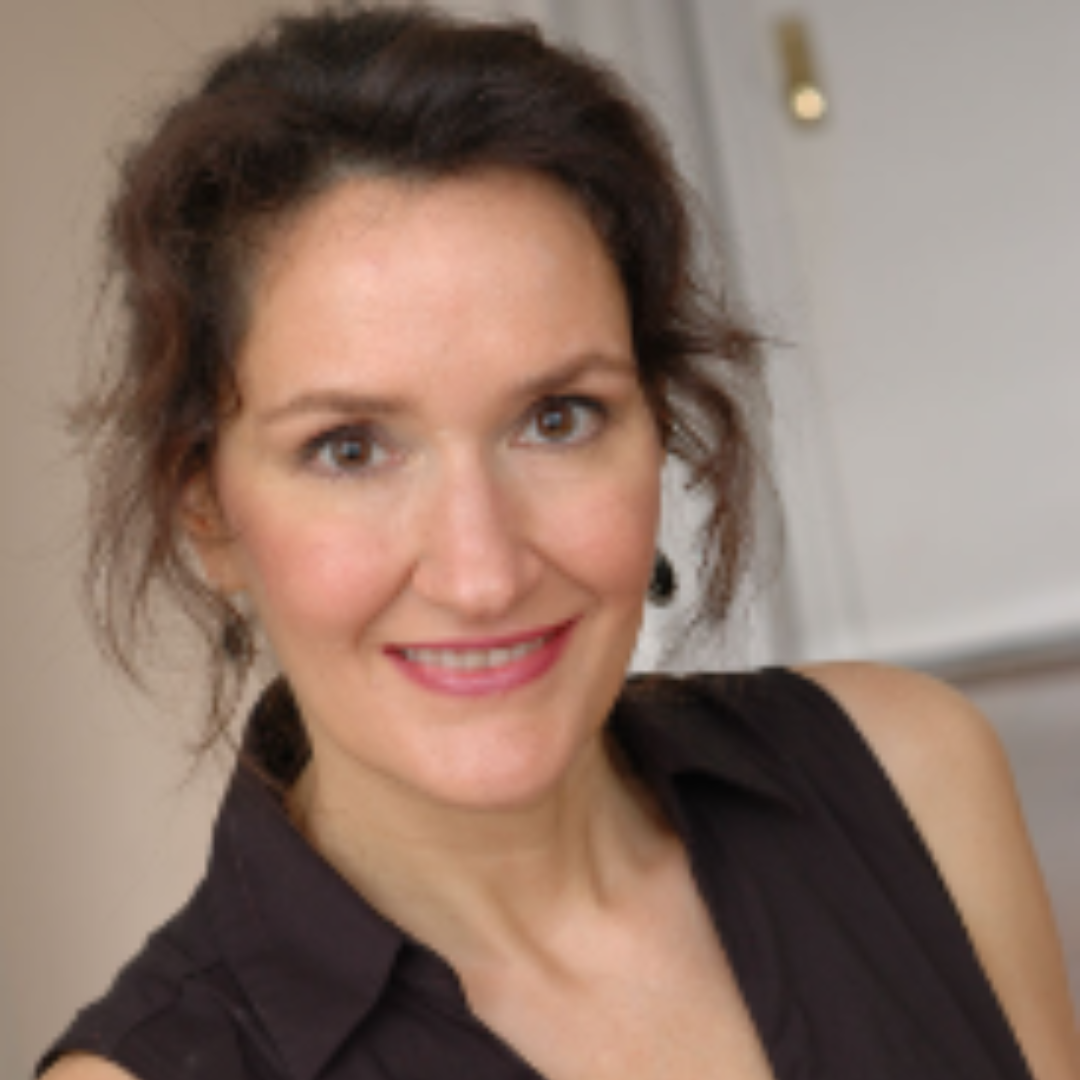
Judith has been a speech-language pathologist since 1993, specializing in speech coaching for professionals and individuals seeking to enhance their communication skills. Her expertise spans accent reduction, voice training, elocution, public speaking, and business communication, empowering clients to present themselves with confidence and clarity.
Since 2015, Judith has helped professionals become dynamic, confident communicators through her holistic approach to corporate communication. She has coached executives and emerging leaders at top organizations including IBM, Bloomberg, Citi, and NASDAQ. Judith’s coaching approach focuses on developing powerful voices, enhancing speech clarity, and adapting seamlessly across communication contexts. She specializes in improving public speaking, meeting skills, and workplace communication, teaching practical strategies that elevate presence and authenticity. She understands that how you speak often carries more weight than the words themselves.
Judith’s extensive experience also includes working with adults in clinics, rehab centers, and private settings, as well as coaching professionals to improve workplace communication.
Her innovative “Sounds in Motion” program, implemented in schools, used a multi-sensory approach to boost speech development and fluency. Judith’s approach to coaching is enriched by her background in singing, movement, acting, improv, and public speaking. She believes that integrating these elements makes learning enjoyable and results in deeper, more lasting improvements in communication skills.
Judith is a member of VASTA (Voice and Speech Trainers Association), CORSPAN (Corporate Speech Pathology Network), and ASHA (American Speech-Language-Hearing Association).
Location: Remote
Types of Services:
- Individual and group speech coaching for adults (accent reduction, vocal development, public speaking, business communication)
- Communication assessments
Expertise: Accent modification, stuttering, public speaking, voice training, business communication skills, and confidence-building for individuals with Asperger’s and autism
Karen M.
M.S., CCC-SLP, TSSLD

Karen holds a master’s degree from the University of California at Long Beach and a Certificate of Clinical Competence in Speech-Language Pathology (CCC-SLP) from the American Speech-Language-Hearing Association (ASHA). Before relocating to New York City, she owned and operated a private practice in Silicon Valley, California.
Karen specializes in public speaking coaching, helping clients enhance their confidence, voice quality, intonation, and vocal strength. She provides expert guidance to professional speakers, corporate executives, and audiobook narrators, assisting them in refining their pronunciation, presentation style, and audience engagement.
Her coaching is tailored for individuals transitioning from small corporate meeting rooms to large indoor and outdoor venues, ensuring they develop the skills needed for effective and dynamic presentations. She also trains clients in stress management techniques, helping them overcome public speaking anxiety while fostering stronger audience connections.
Karen’s approach is designed to empower speakers with the skills and confidence necessary to deliver impactful, engaging, and memorable presentations.
Location: Remote
Experience: Adult Articulation Disorders, Adult CVA , Adult language disorders, executive functioning difficulties, voice disorders , chronic cough, Parkinson’s and social/pragmatic difficulties.
FREE CONSULTATION!!!
Call & Text: (917) 426-8880
Email: queens@brooklynletters.com
(we respond to email right away!)