
QUEENS COMPREHENSION READING LISTENING TUTORING
QUEENS, NYC COMPREHENSION READING LISTENING TUTORING
As Featured In:








In-Home Reading & Listening Comprehension Tutoring in Queens | 1:1 Academic and Language Support | Free Consultation & Meet-and-Greets
Queens reading and listening comprehension tutoring provides structured, one-to-one support for children building stronger language, literacy, and academic learning skills. We provide in-home reading and listening comprehension tutoring throughout Queens, with remote options available when appropriate. Many Queens families begin support early rather than waiting for academic gaps to become more difficult to address.
WE TRAVEL TO YOU THROUGHOUT QUEENS:
Astoria, Auburndale, Bayside, Bayswater, Beechhurst, Belle Harbor, Bellerose, Breezy Point, Briarwood, Cambria Heights, College Point, Corona, Douglaston, East Elmhurst, Edgemere, Elmhurst, Far Rockaway, Floral Park, Flushing, Forest Hills, Forest Park, Fresh Meadows, Glendale, Hamilton Beach, Hillcrest, Hollis, Hollis Hills, Holliswood, Howard Beach, Hunters Point, Jackson Heights, Jamaica, Jamaica Estates, Jamaica Hills, Kew Gardens, Kew Gardens Hills, Laurelton, Lefrak City, Lindenwood, Little Neck, Long Island City, Malba, Maspeth, Meadowmere, Middle Village, Neponsit, North Corona, Oakland Gardens, Ozone Park, Pomonok, Queens Village, Rego Park, Richmond Hill, Ridgewood, Rockaway Park, Rosedale, Roxbury, South Jamaica, South Ozone Park, Springfield Gardens, Steinway, Sunnyside, Utopia, Whitestone, Willets Point, Woodhaven, Woodside.
Speech-Language Pathologists and Therapists We Work With
We provide in-home support throughout Queens and also offer remote services when appropriate. Professionals work directly with families in Queens homes, making individualized academic and language support easier to integrate into a child’s routine. Some of the speech-language pathologists we work with are trained in the Orton Gillingham approach. Many of the speech-language pathologists we work with are trained in literacy and offer support with decoding, spelling and reading fluency services. The speech-language pathologists and therapists we work with support babies, toddlers, school-age students, and adults with expertise in:
What This Service Is
Queens reading and listening comprehension tutoring builds understanding, vocabulary, language processing, and school-ready literacy skills through individualized instruction.
Queens Letters provides structured comprehension support for children who need help understanding what they read or hear, as well as students ready for more advanced instruction. Support can strengthen reading comprehension, listening comprehension, vocabulary, inference, summarizing, sequencing, and understanding increasingly complex classroom language.
When Families Seek This Support
Queens families seek comprehension tutoring for early concerns, proactive skill development, and advanced academic enrichment.
Some families notice early signs that a child is not progressing as expected with understanding stories, following directions, recalling details, or explaining ideas. Others start proactively to maintain strong academic progress and prevent gaps from developing. Advanced learners may use comprehension tutoring to work with more sophisticated texts, vocabulary, inference, analysis, and higher-level language.
How It Works
Individualized comprehension tutoring combines explicit instruction, modeling, guided practice, and feedback around each child’s current learning needs.
Support is delivered in the home whenever possible, allowing instruction to connect naturally with schoolwork, books, classroom expectations, and family goals. Sessions may focus on reading comprehension, listening comprehension, vocabulary, sequencing, inference, summarizing, background knowledge, or increasingly advanced text analysis.
When Children Benefit
Children benefit from comprehension support when understanding spoken or written information requires more effort or when stronger academic challenge is appropriate.
Support may be appropriate when a child has early difficulty following directions or understanding stories, when a family wants to strengthen skills proactively, or when an advanced learner is ready for more sophisticated reading and language work
Speech-Language Pathologists and Therapists We Work With
We travel to you and we also offer remote services. Some of the speech-language pathologists we work with are trained in the Orton Gillingham approach. Many of the speech-language pathologists we work with are trained in literacy and offer support with decoding, spelling and reading fluency services. The speech-language pathologists and therapists we work with support babies, toddlers, school-age students, and adults with expertise in:
- Pronunciation
- Enunciation
- Articulation
- Expressive Language Disorder
- Writing & Speaking Therapy
- Comprehension- Listening & Reading
- Listening Comprehension
- Auditory Processing
- Vocabulary
- Teens – Language Therapy
- Stuttering
- Feeding
- Oral Motor
- Voice
- AAC
- Adult Speech Therapy
- Public Speaking
- Accent Reduction Modification Speech Therapy
Training/Certifications


Training/Certifications



Queens Letters connects families with experienced professionals who support language, literacy, reading, and listening comprehension through structured, individualized instruction. Speech-language pathologists can also support speech and language development for communication, classroom participation, literacy, and school readiness.
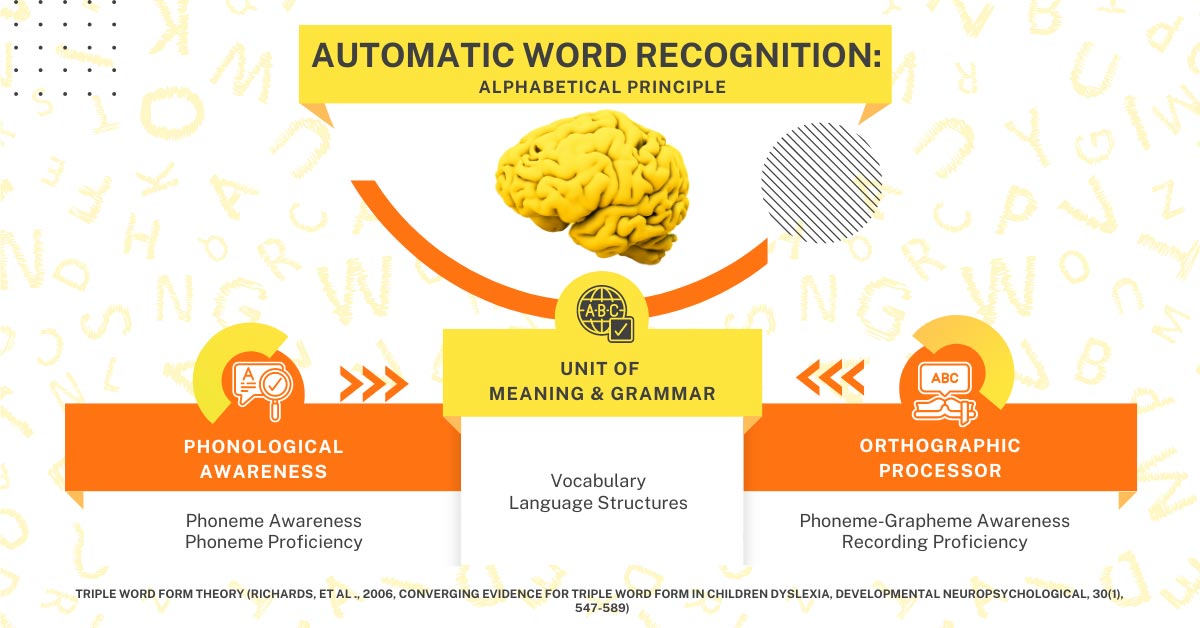
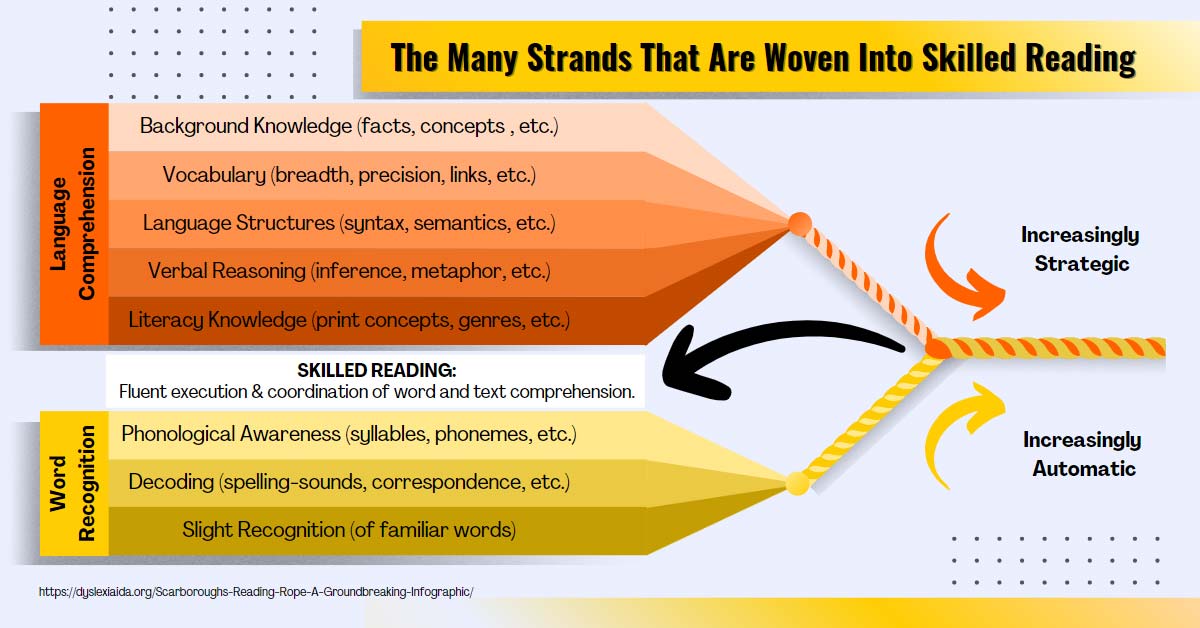
The ultimate goal for literacy is to comprehend well what one is reading. As one of the Five Pillars of Reading, reading comprehension enables a child to predict outcomes, evaluate characters, deduce, and make connections to real-world events. Learn the component skills of reading using a Direct and Indirect Effect Model of Reading (DIER).
Strong oral language skills are the foundation of reading and listening comprehension, helping children process, interpret, and engage with information effectively. Explore the connection between expressive oral language and literacy to understand how verbal communication supports comprehension and academic success.
A child’s comprehension skills can begin to develop before becoming an independent reader. One way to do this is by reading to a child and discussing the story’s main idea, characters, and setting. Explicit teaching, modeling, and guided practice of comprehension skills are also crucial. Structured instruction can benefit students developing emerging comprehension skills, children maintaining grade-level progress, and advanced learners ready for greater challenge.
A child has mastery of reading comprehension when he or she can:
- Process and understand events, dialogue, ideas, and information
- Relate new information to previous knowledge or what they already know
- Adjust current knowledge in relation to new ideas or information and look at ideas in different ways or standpoints
- Identify and recall key points in a story or other reading material
- Understand hidden or underlying meanings (read between the lines)
Best to tackle these 4 sentences types for reading comprehension:
- Passive voice
- Adverbial clauses and temporal and causal conjunctions
- Center-embedded relative clauses
- Sentences with three or more clauses
Read about 2021 Reading Model for Fluency, Comprehension, Self-Regulation, and Vocabulary.
Key Comprehension Strategies for Students
When reading, comprehension begins as the student identifies the initial meaning from previewing a text or source material. It builds as one continues to read through predicting, making inferences, synthesizing, and seeking answers.
Once reading is done, the student creates a deeper understanding of the text by reviewing, going over parts of the text, discussion, and reflection while also relating these new information to his or her own experiences or current knowledge.
-
Making connections or using background knowledge – Students relate new information with their existing knowledge, which includes their own experiences, other texts they have read, and what they know of the world.
-
Asking questions – Students ask themselves questions as they go through the text, including how they feel towards what they are reading and the author’s purpose. This helps the reader process and summarize information and identify main ideas and underlying meanings.
-
Visualizing – Students create mental images of the printed word to understand events and situations in the text. Studies show that visualizing allows readers to have better recall of what they have read.
-
Determining the importance of a text – This means that a student can differentiate between crucial and interesting information and fact and opinion; identify cause and effect and themes; compare and contrast ideas; determine problems and solutions; summarize; list steps in a process; and recall information that answer specific questions.
-
Making inferences – Students take clues from the text and combine it with their background knowledge and identify answers to underlying themes.
-
Synthesizing – Students are able to use new information in combination with existing knowledge to create original ideas or new perspectives.
For students to learn these comprehension strategies, modeling, practice, supervision, and feedback must be provided.
Listening Comprehension
Listening comprehension involves understanding, organizing, and interpreting spoken information. Children may benefit from additional support when following directions, answering questions, understanding classroom discussions, connecting ideas, or explaining what they have heard requires extra effort. Stronger receptive and expressive language skills can also support classroom participation, literacy, and school readiness. Discover effective ways to boost receptive language skills. Read SPELLTalk questions and answers about the language literacy network– which represents normal reading and writing processes and this model connects language comprehension to the literacy.
Children develop listening comprehension at different rates. Structured practice can strengthen understanding of questions, directions, stories, classroom language, and increasingly complex spoken information while supporting confident participation in learning.
Early language development supports communication and academic learning. Proactive support can strengthen understanding and expressive language while helping children maintain progress as classroom expectations become more complex. Learn what is the link between executive functioning and language. Download the What is Executive Functioning Pamphlet!
There are also instances when listening difficulties can be caused by a central auditory processing disorder. It’s when there are loud sounds, e.g., a noisy classroom, and the brain has a hard time extricating the signal (teacher’s voice, aka speech) from the students talking aloud: the brain fails to assign the correct meaning to the sounds in words one hears. The condition is not related to hearing problems or intelligence. However, it may coexist and overlap with other disorders, such as ADHD, language disorders, and learning disabilities. Find out more about the signs of a central auditory processing disorder and how to treat it.
At Queens Letters, professionals support students across a range of reading, listening, language, and literacy needs. Families may seek support because of an emerging concern, to maintain strong academic progress, or to provide enrichment beyond current classroom instruction.
Structured instruction can strengthen listening and reading comprehension, vocabulary, grammar, understanding of complex sentences and directions, and organization of information that students hear or read.
Students are informed of the process so they can be part of it. Interests, strengths, and learning styles are also considered, maximizing effectiveness and ensuring students don’t get frustrated. After all, we’re not trying to fit a square peg into a round hole.
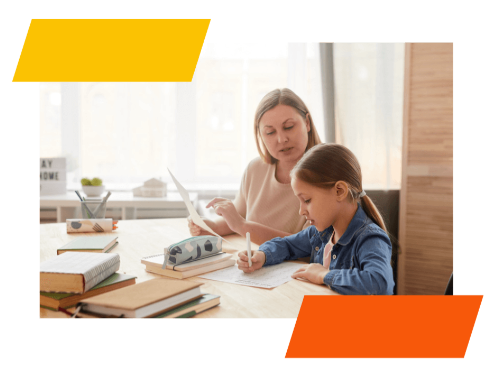
If your child likes music and flying saucers, let’s incorporate it! Drawing and imaginary animals? For sure! These skills are developed through engaging activities and can also be connected directly to the student’s curriculum and school expectations.
A veritable toolbox of tools is available to help your child. Strategies to facilitate comprehending language are taught, and these include:
- using preparatory sets (before reading/hearing a story, activate background knowledge about the material, discussing unfamiliar vocabulary words, making predictions about the material)
- using visual aids (e.g. visual and verbal organizers)
- understanding story grammar (make story maps – who is the main character, what did the main character do, etc.)
- comprehension monitoring to help students be aware when they do not understand what they read or what they heard
- repeating information, summarizing, paraphrasing, visual imagery, self-question strategies (e.g. what is the main idea, asking questions after reading or listening to a passage to monitor what they are comprehending, understanding character’s plans and intentions, including creating illustrations)
- using imaginary play to act out comprehension
- drawing pictures to illustrate understanding of what they are reading or listening
- understanding pronouns and connecting pronouns to characters in the stories
- understanding word relations and conjunctions (e.g. temporal words such as then, after, etc., and oppositional relation words, such as but, though, etc.)
A variety of techniques and tools that aid in literacy development are utilized, including vocabulary development, learning techniques, and a systematic multisensory approach. The Report of the National Reading Panel: Teaching Children to Read discusses evidence-based techniques to facilitate literacy development.
Why Queens Families Choose This
Queens Letters combines individualized academic and language support with convenient one-to-one instruction delivered directly in Queens homes.**
Families often seek to maintain strong academic progress over time rather than waiting for a significant concern. Proactive support helps prevent gaps from developing while giving advanced learners opportunities to extend reading, listening, vocabulary, and higher-level comprehension skills. Queens Letters focuses on speech language, literacy, and math intervention that is proactive, early, and enrichment oriented academic and speech language support.
FAQ
Queens comprehension tutoring can support emerging skills, ongoing academic development, and enrichment through individualized in-home instruction.
Is comprehension tutoring only for children who are struggling?
No. Families may begin because of an early concern, proactively to maintain progress, or because an advanced learner is ready for more challenging reading and language instruction.
Do you provide in-home comprehension tutoring in Queens?
Yes. In-home support is available throughout Queens, including Forest Hills, Rego Park, Kew Gardens, Fresh Meadows, Bayside, and nearby communities. Remote options are also available when appropriate.
What skills can comprehension tutoring address?
Instruction may include reading comprehension, listening comprehension, vocabulary, inference, sequencing, summarizing, following directions, understanding complex language, and higher-level text analysis.
Can speech-language professionals support comprehension and literacy?
Yes. Appropriate speech-language professionals can support language skills connected with communication, classroom participation, listening comprehension, literacy, and school readiness.
This work is designed for families seeking proactive and enrichment-oriented support, not only for children with clear developmental delays.
Check out our rates here!Check out our rates here!
MEET THE QUEENS LETTERS SPEECH LANGUAGE THERAPISTS AND PATHOLOGISTS WHO TRAVEL TO YOUR HOME
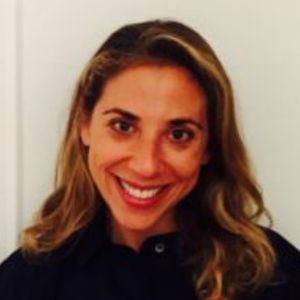
Stefanie S.
MS, CCC- SLP, SPEECH LANGUAGE PATHOLOGIST

Theo W.
M.S. CCC-SLP, Speech Language Pathologist
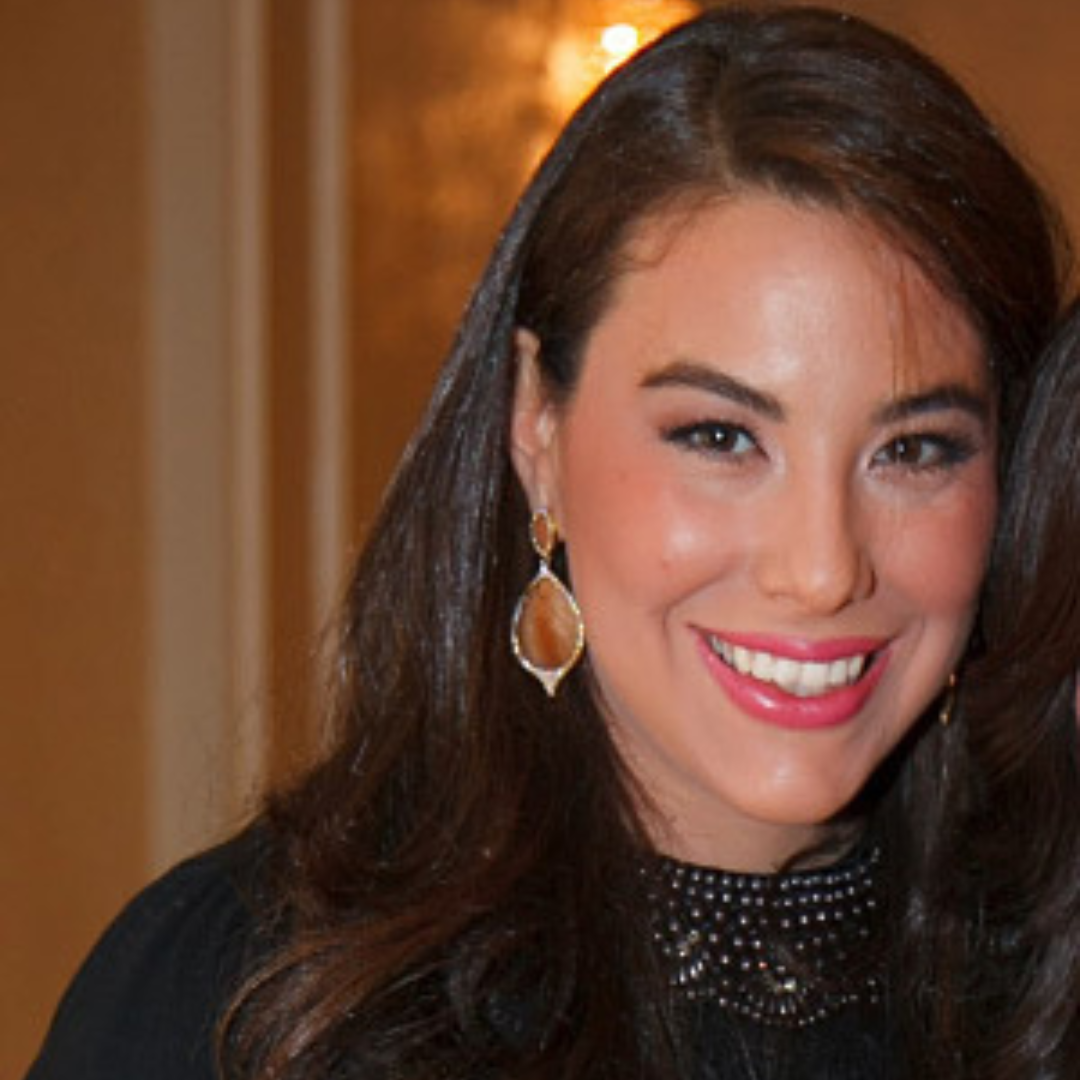
Rebecca K.
M.S. CCC-SLP, SPEECH LANGUAGE PATHOLOGIST
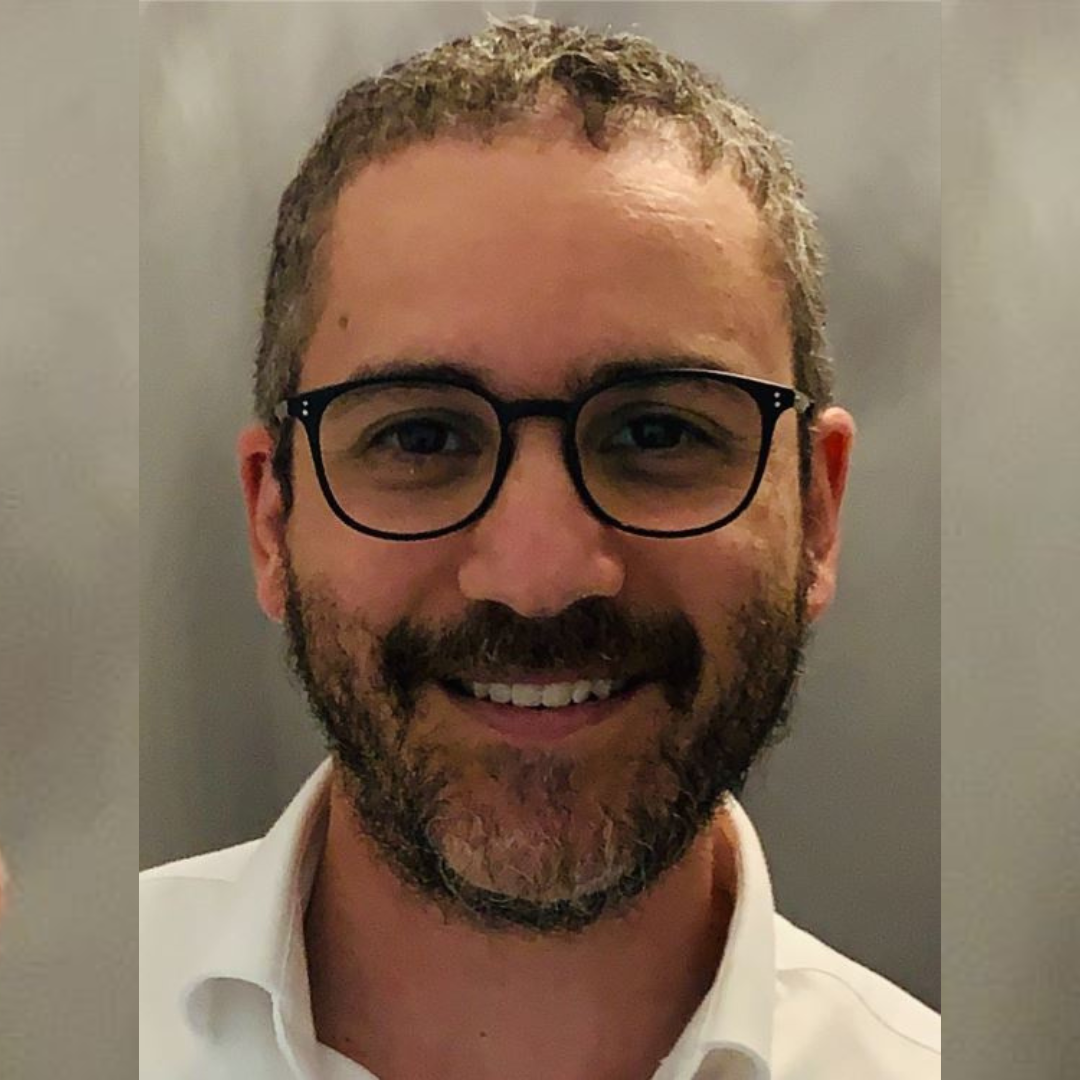
Sholom
MA, CCC-SLP, TSSLD, SPEECH LANGUAGE PATHOLOGIST

Cathy E.
M.S. CCC-SLP, SPEECH LANGUAGE PATHOLOGIST
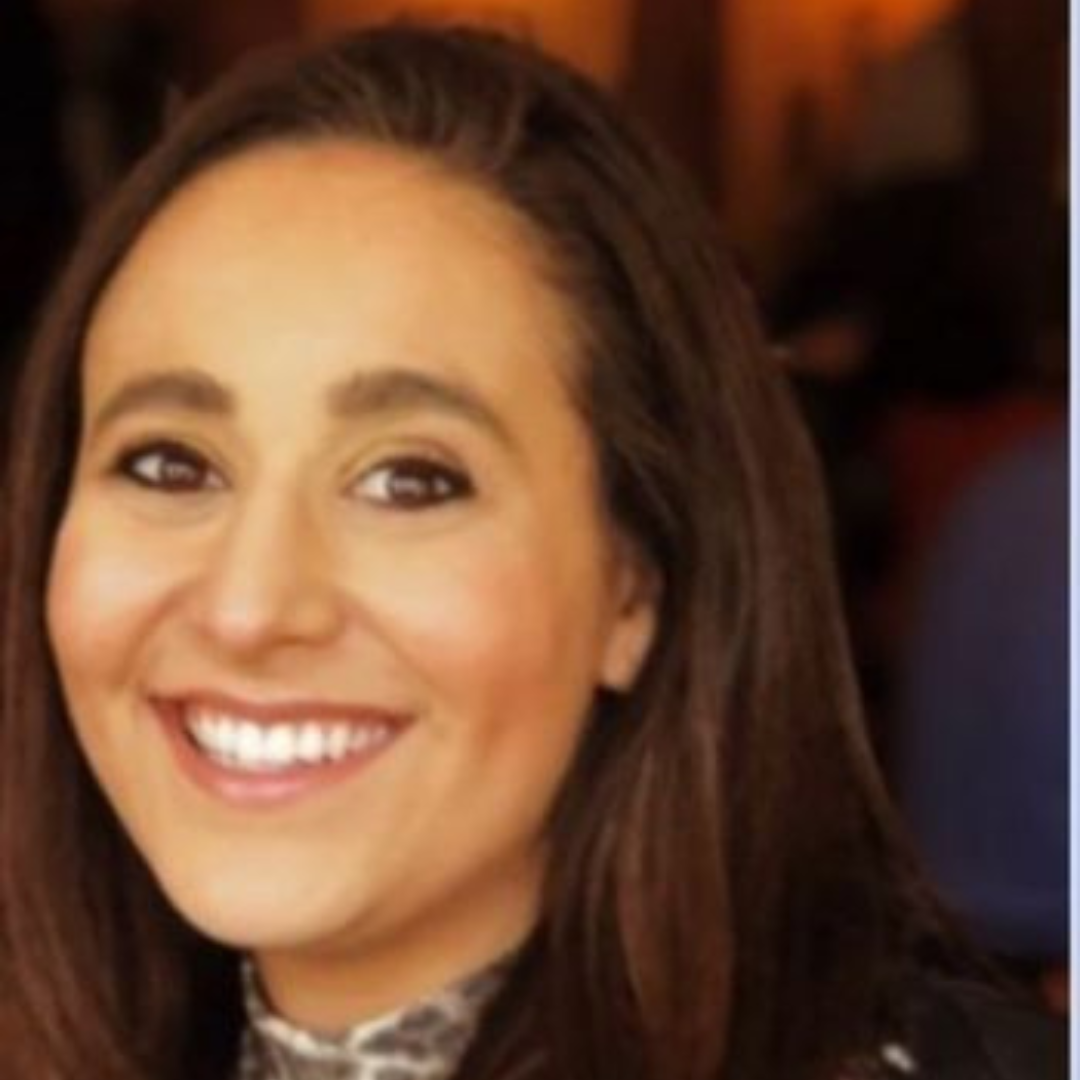
Lindsay S.
Speech-Language Therapist, M.S. CCC-SLP, TSSLD
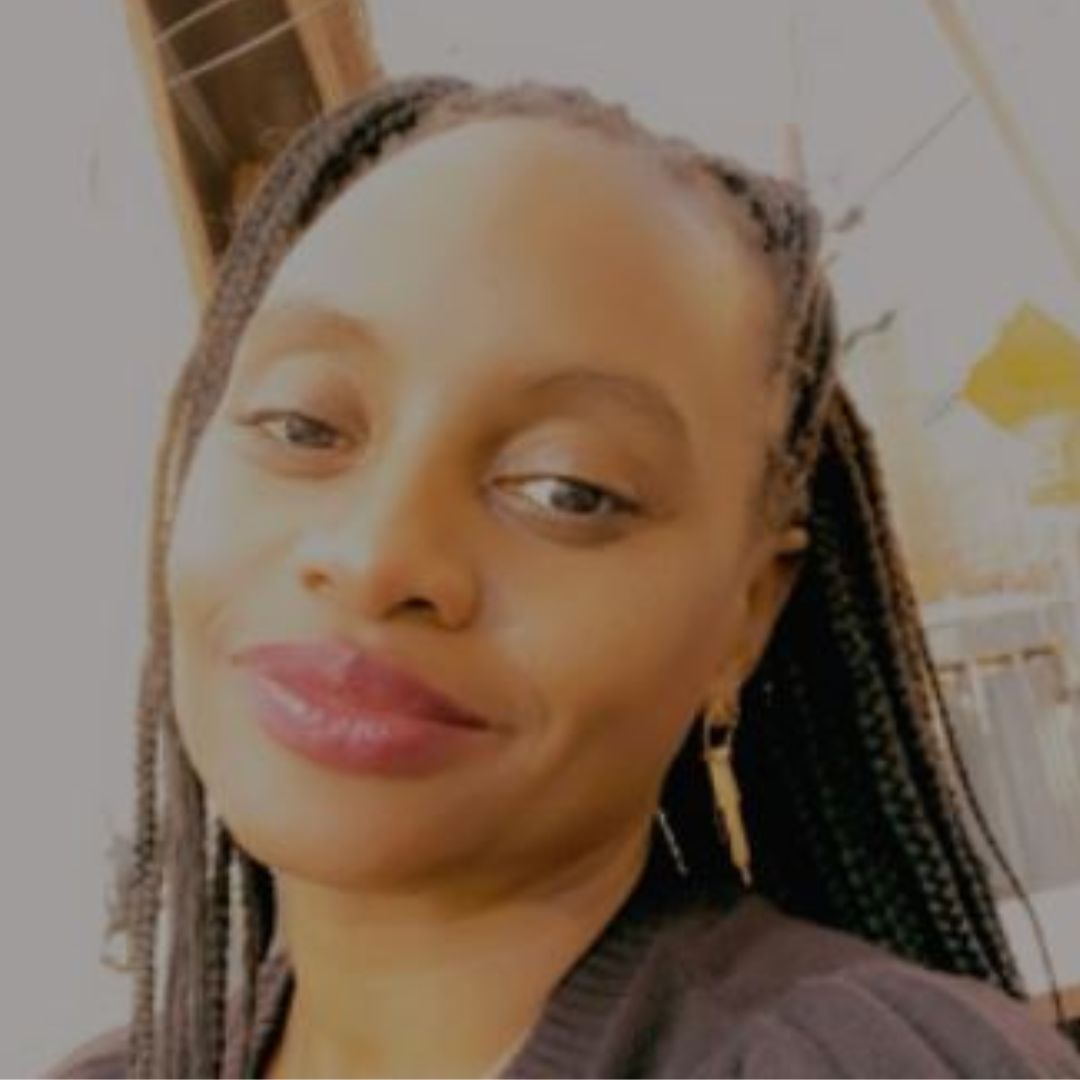
Julia
CCC-SLP, Speech-Language Pathologist

Alina G.
M.S. CCC-SLP/TSSLD, SPEECH-LANGUAGE PATHOLOGIST
FREE CONSULTATION!!!
Call & Text: (917) 426-8880
Email: queens@brooklynletters.com
(we respond to email right away!)


